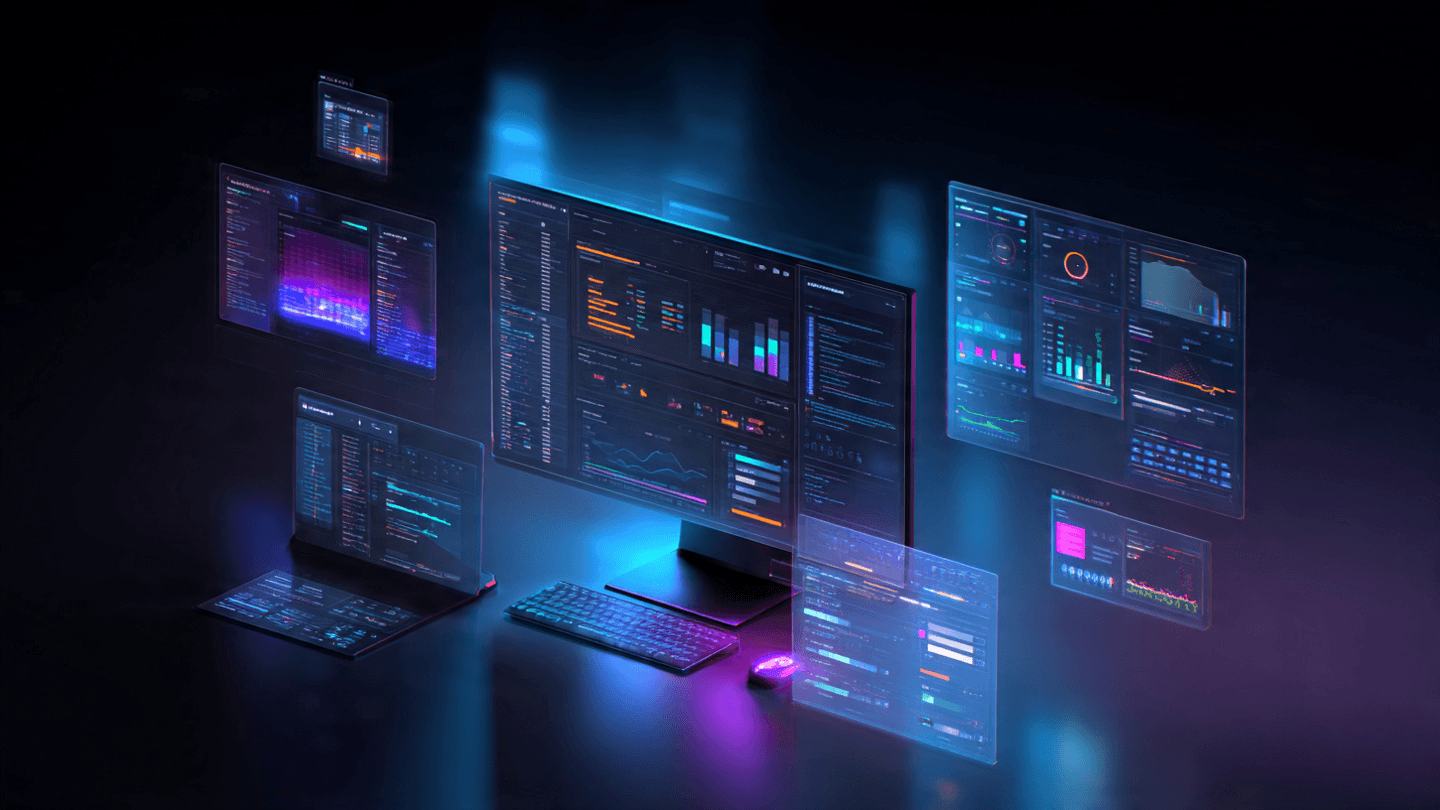
Endbugflow Software: The Ultimate 2026 Guide to Efficient Bug Tracking and Workflow Optimization
Software development has reached a point where speed and quality must coexist. Businesses can no longer afford slow releases filled with bugs, nor can they delay deployment in the pursuit of perfection. This balance between speed and stability is one of the biggest challenges faced by development teams today. That’s exactly where endbugflow software becomes a powerful solution.
Endbugflow software is not just another bug tracker—it is a complete ecosystem designed to manage bugs, streamline workflows, and enhance collaboration across development teams. Instead of treating bugs as isolated issues, it integrates them into a structured workflow, ensuring every problem is handled efficiently from discovery to resolution.
In this in-depth guide, you will learn how endbugflow software works, why it matters, how it improves productivity, and why it is quickly becoming an essential tool in modern software development.
Understanding Endbugflow Software
Endbugflow software is a system built to manage the full lifecycle of bugs within a development environment. It combines issue tracking, workflow automation, reporting, and collaboration into a single platform.
Traditionally, bug tracking involved logging issues in spreadsheets or simple tools, assigning them manually, and hoping nothing slipped through the cracks. Endbugflow changes that approach entirely. It creates a structured pipeline where every bug moves through clearly defined stages, ensuring accountability and visibility at every step.
The concept is simple but powerful: bugs are not just recorded—they are actively managed as part of a continuous workflow.
The Growing Need for Advanced Bug Management
Modern applications are more complex than ever. With multiple integrations, cross-platform compatibility, and continuous updates, the chances of bugs appearing have increased significantly.
At the same time, user expectations have risen. Even minor glitches can lead to negative reviews, reduced engagement, and loss of trust. This creates pressure on development teams to detect and fix issues quickly without slowing down innovation.
Endbugflow software addresses this challenge by creating a system where bugs are handled efficiently without disrupting the development process. It ensures that quality remains high even as development speed increases.

How Endbugflow Software Works
At its core, endbugflow software operates on a workflow-based model. Every bug follows a defined journey, typically including stages such as:
- Identification
- Logging
- Prioritization
- Assignment
- Resolution
- Testing
- Closure
Each stage is monitored and managed within the system, ensuring that no issue is overlooked. What makes endbugflow unique is its ability to automate many of these steps, reducing manual effort and increasing efficiency.
For example, when a bug is reported, the system can automatically assign it to the appropriate developer based on expertise or workload. Similarly, critical bugs can be escalated instantly without waiting for manual intervention.
Key Features of Endbugflow Software
One of the reasons endbugflow software stands out is its rich set of features designed to simplify complex workflows.
Intelligent Issue Tracking
Endbugflow software allows users to capture detailed information about bugs, including steps to reproduce, environment details, and severity levels. This ensures that developers have all the information they need to fix issues quickly.
Automated Workflows
Automation is a central component of endbugflow. Tasks that traditionally required manual effort—such as assigning bugs or updating statuses—are handled automatically, saving time and reducing errors.
Real-Time Collaboration
Communication gaps are one of the biggest causes of delays in bug resolution. Endbugflow software provides a centralized platform where team members can discuss issues, share updates, and collaborate in real time.
Advanced Analytics
Understanding bug trends is crucial for improving software quality. Endbugflow provides insights into recurring issues, resolution times, and team performance, helping organizations make informed decisions.
Benefits of Using Endbugflow Software
The impact of endbugflow software goes beyond simple bug tracking. It transforms the way teams approach software quality.
One of the most noticeable benefits is faster bug resolution. With automated workflows and clear processes, issues are addressed quickly and efficiently.
Another major advantage is improved code quality. By identifying patterns and preventing recurring issues, endbugflow helps teams build more reliable software.
Collaboration also improves significantly. Since all communication happens within a single platform, there is less confusion and fewer misunderstandings.
In addition, endbugflow software is highly scalable. Whether you are a small startup or a large enterprise, it can adapt to your needs and grow with your team.
Endbugflow Software and Agile Development
Agile methodologies emphasize flexibility, collaboration, and continuous improvement. Endbugflow software aligns perfectly with these principles.
In an agile environment, bugs need to be addressed quickly without disrupting the workflow. Endbugflow ensures that issues are integrated into the development cycle, allowing teams to fix problems as they arise rather than postponing them.
It also supports sprint planning by linking bugs to specific tasks or user stories. This makes it easier to track progress and ensure that all issues are resolved before the end of a sprint.
The Role of Automation in Endbugflow
Automation is one of the defining features of endbugflow software. It reduces the need for manual intervention and ensures consistency across workflows.
For example, when a bug is marked as high priority, the system can automatically notify relevant team members and move the issue to the top of the queue. Similarly, once a bug is fixed, it can be automatically assigned for testing.
This level of automation not only saves time but also reduces the risk of human error, making the entire process more reliable.
Common Challenges Without Endbugflow Software
Without a structured system like endbugflow, teams often struggle with inefficiencies that can slow down development.
One common issue is disorganized bug tracking. When bugs are logged in multiple places, it becomes difficult to keep track of them.
Another challenge is poor communication. Without a centralized platform, team members may rely on emails or messages, leading to confusion and delays.
Duplicate work is also a frequent problem. Without proper tracking, multiple team members may end up working on the same issue.
Endbugflow software eliminates these challenges by providing a clear, organized system for managing bugs.

Real-World Applications of Endbugflow Software
Endbugflow software is versatile and can be used in a wide range of scenarios.
Startups use it to maintain quality while scaling rapidly. With limited resources, they need efficient systems that maximize productivity.
Enterprises rely on endbugflow to manage complex projects involving multiple teams and departments. It helps maintain consistency and ensures that all issues are addressed systematically.
Freelancers and small teams also benefit from endbugflow by staying organized and delivering high-quality work to clients.
Best Practices for Using Endbugflow Software
To get the most out of endbugflow software, it is important to follow certain best practices.
First, always provide detailed bug reports. The more information included, the easier it is to resolve the issue.
Second, regularly review analytics to identify trends and areas for improvement.
Third, encourage team collaboration. Use the platform as the primary communication channel to ensure that all discussions are documented.
Finally, continuously refine workflows. As your team grows and evolves, your processes should adapt accordingly.
Future Trends in Endbugflow Software
The future of endbugflow software looks promising, with several advancements on the horizon.
Artificial intelligence is expected to play a major role, enabling systems to predict bugs before they occur. This proactive approach could significantly reduce the number of issues in production.
Integration with automated testing tools is another trend, allowing bugs to be detected and resolved even faster.
Advanced analytics will also become more sophisticated, providing deeper insights into software performance and team productivity.

Why Endbugflow Software Stands Out
What sets endbugflow software apart from traditional tools is its comprehensive approach. It doesn’t just track bugs—it manages the entire process.
By combining automation, analytics, and collaboration, it creates a system where bugs are handled efficiently and effectively.
This holistic approach makes it a valuable tool for any development team looking to improve quality and productivity.
Frequently Asked Questions (FAQ)
What is endbugflow software used for?
Endbugflow software is used to track, manage, and resolve software bugs while integrating them into a structured workflow.
Is endbugflow suitable for beginners?
Yes, most endbugflow platforms are designed to be user-friendly and can be used by beginners with minimal training.
Can it replace traditional bug tracking tools?
Yes, it offers more advanced features and can fully replace traditional bug tracking systems.
Does it support team collaboration?
Absolutely. Collaboration is one of its core features, allowing teams to communicate and work together efficiently.
How does it improve productivity?
By automating tasks and organizing workflows, it reduces manual effort and allows teams to focus on development.
Is it worth investing in endbugflow software?
For teams that prioritize efficiency and quality, it provides significant long-term value.
Final Conclusion
Endbugflow software is more than just a tool—it is a modern solution to one of the biggest challenges in software development. By streamlining bug tracking, automating workflows, and improving collaboration, it enables teams to deliver high-quality products faster.
In an industry where even small errors can have significant consequences, having a reliable system in place is essential. Endbugflow software provides that reliability, making it an invaluable asset for developers, businesses, and organizations alike.
As technology continues to evolve, tools like endbugflow will play an even greater role in shaping the future of software development. Adopting it today is not just a smart decision—it is a strategic move toward long-term success.
For More Visits: NewsPresso
Also Read: Webfreen.com Fashion: Stunning 2026 Trends You’ll Love