Media #PhoneDeckNet Is Transforming the Future of Digital Communication
Media #PhoneDeckNet is changing the way modern communication, digital influence, and information sharing operate in a mobile-first world. Media today is no longer limited to newspapers, television broadcasts, or static websites. It has evolved into a living, responsive system driven by smartphones, real-time interaction, and user participation. In this evolving environment, media #PhoneDeckNet represents a powerful shift toward more accessible, personalized, and trust-driven digital media experiences.
The meaning of media has expanded far beyond its traditional boundaries. It now includes social conversations, independent publishing, mobile-based networks, and emerging platforms that prioritize speed, relevance, and engagement. Media #PhoneDeckNet sits at the center of this transformation, reflecting how people create, consume, and interact with information every single day.
The Changing Meaning of Media in the Digital Era
Media was once defined by scarcity. Only a few organizations had the tools and resources to publish information at scale. Newspapers decided what stories mattered. Television channels controlled broadcast schedules. Audiences had little choice but to consume what was offered. That era is over.
In today’s digital environment, media #PhoneDeckNet exists in abundance. Information flows constantly through mobile devices, messaging apps, and digital platforms. Anyone with a phone can become a creator, commentator, or publisher. This shift has transformed media from a one-way system into a two-way conversation.
Media now adapts to the audience rather than forcing audiences to adapt to it. Personalization, immediacy, and relevance define success. Media #PhoneDeckNet reflects this reality by emphasizing mobile accessibility and real-time interaction, allowing content to move at the same pace as modern life.
Smartphones as the Core of Modern Media
The smartphone is the most influential media device ever created. It has replaced televisions, radios, newspapers, and even computers for many users. Media #PhoneDeckNet is built around this reality, recognizing that the phone is no longer just a communication tool—it is the primary gateway to information.
People check media dozens of times a day, often in short bursts. This behavior has reshaped content formats, tone, and delivery. Long delays and rigid publishing schedules no longer work. Media must be immediate, responsive, and easy to consume without sacrificing quality.
Media #PhoneDeckNet thrives in this environment because it aligns with how people actually live. Content is designed to be accessible anytime, anywhere, without unnecessary friction. This mobile-first approach is not a trend; it is the foundation of modern media consumption.

Trust and Credibility in a Saturated Media Landscape
One of the biggest challenges facing media today is trust. With so much content available, audiences have become cautious. They question motives, accuracy, and authenticity. Media #PhoneDeckNet operates in a space where trust is not assumed—it must be earned.
Trust grows when media demonstrates consistency, transparency, and respect for the audience. Sensational headlines may attract clicks, but they erode credibility over time. Sustainable media platforms focus on clarity and depth rather than shock value.
Media #PhoneDeckNet benefits from this approach by prioritizing meaningful communication over empty virality. When users feel informed rather than manipulated, they return. Trust is the currency of modern media, and platforms that understand this gain long-term authority.
Media #PhoneDeckNet and the Rise of User-Driven Content
The rise of user-driven content has reshaped the media ecosystem. Audiences are no longer passive consumers; they actively shape narratives through comments, shares, and original content. Media #PhoneDeckNet embraces this shift by enabling participation rather than suppressing it.
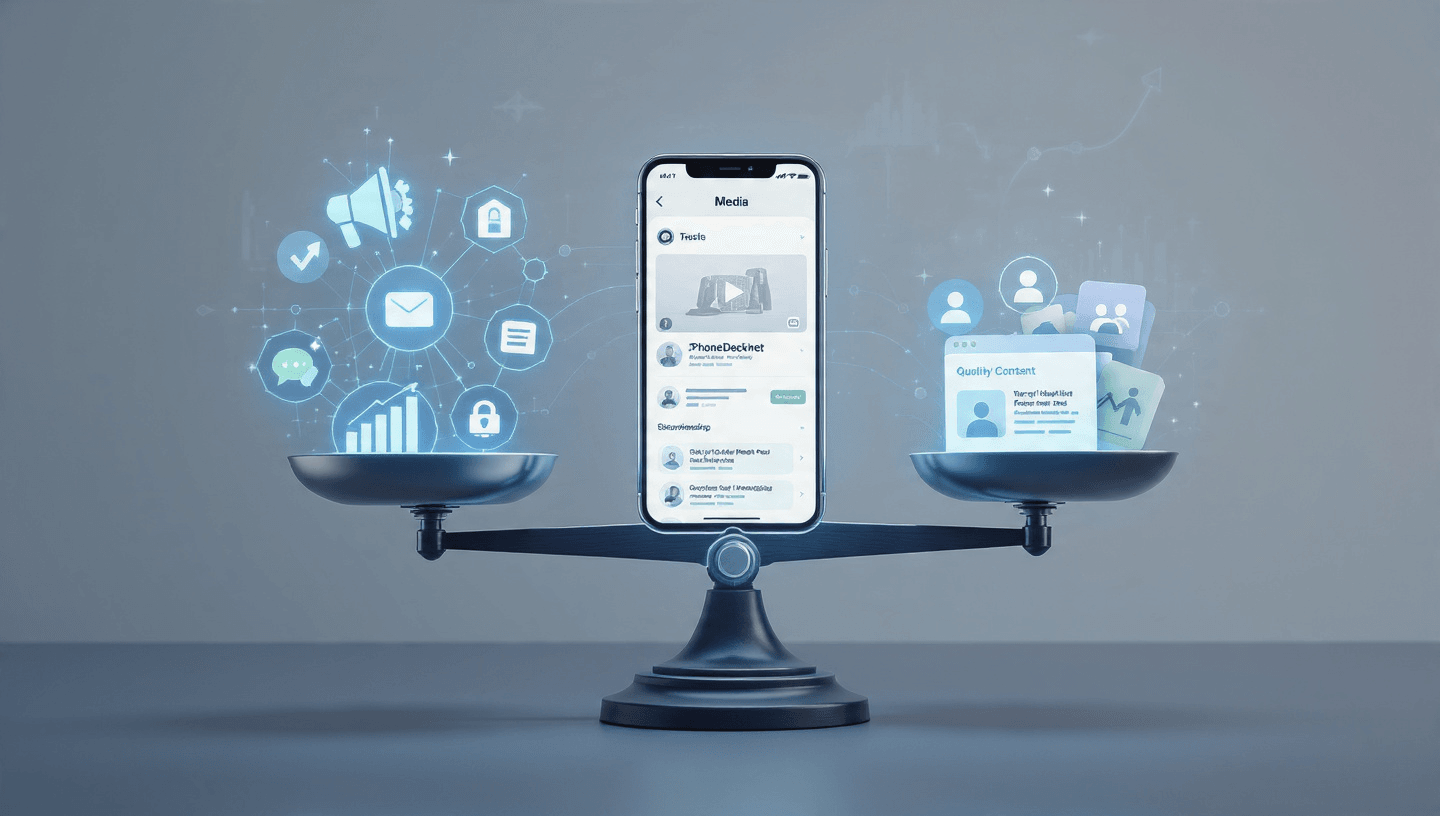
User-driven media introduces diversity of perspective, creativity, and lived experience. It allows voices outside traditional power structures to be heard. However, it also requires responsibility. Platforms must balance openness with quality to maintain credibility.
Media #PhoneDeckNet reflects a mature understanding of this balance. By supporting engagement while encouraging thoughtful contribution, it helps build a healthier digital media environment.
The Role of Media in Shaping Public Perception
Media does not simply report events—it shapes how those events are understood. Language, framing, and emphasis all influence perception. Media #PhoneDeckNet exists within this powerful dynamic, where information spreads rapidly and opinions form quickly.
In a digital environment, repetition amplifies belief. Algorithms reinforce patterns. This makes responsible media practices more important than ever. Media platforms must consider not just what they publish, but how it will be interpreted and shared.
Media #PhoneDeckNet gains relevance by encouraging informed discussion rather than emotional manipulation. When media treats its audience as thoughtful participants, it contributes to a more balanced public conversation.
Independent Media and Modern Authority
Authority in media used to come from institutions. Today, it increasingly comes from individuals with demonstrated expertise and consistency. Independent creators, analysts, and educators build loyal audiences through trust and clarity.
Media #PhoneDeckNet supports this shift by providing space for credible voices to grow organically. Authority is earned through insight, not branding alone. This democratization of media allows quality content to surface regardless of origin.
At the same time, authority requires accountability. Media #PhoneDeckNet thrives when creators respect their influence and prioritize accuracy and integrity over attention.
Media, Identity, and Digital Presence
Media plays a crucial role in shaping digital identity. Every article, post, or interaction contributes to how individuals and organizations are perceived. Media #PhoneDeckNet exists at this intersection of communication and identity.
For businesses, consistent media messaging builds trust and recognition. For individuals, media presence can open professional and social opportunities. In both cases, intentional communication matters.
Media #PhoneDeckNet allows users to participate in media without losing control of their narrative. This balance between visibility and authenticity is essential in the modern digital world.
The Economics Behind Media Platforms
Media is not created in a vacuum. Economic models influence what content is promoted and sustained. Advertising, sponsorships, and engagement metrics shape editorial decisions across the industry.
Media #PhoneDeckNet represents a growing awareness that short-term clicks are not enough. Platforms that align financial sustainability with content quality build stronger ecosystems. When revenue depends on trust rather than manipulation, media improves.
Understanding the economics of media helps users become more informed consumers. Media literacy includes recognizing how incentives shape information.
Ethics and Responsibility in Digital Media
Ethics remain central to responsible media, regardless of technology. Issues such as privacy, consent, and representation are magnified in digital environments where content spreads instantly.
Media #PhoneDeckNet operates in a space where ethical decisions have real-world consequences. A single piece of content can influence reputations, emotions, and behavior. Ethical media acknowledges this responsibility.
Transparency, correction of errors, and respect for users strengthen credibility. Media that avoids accountability ultimately loses trust.
The Future Direction of Media #PhoneDeckNet
The future of media lies in adaptability. Technologies will change, but human needs remain consistent. People seek understanding, connection, and reliable information.
Media #PhoneDeckNet points toward a future where platforms are flexible, user-centric, and ethically grounded. Integration across devices, respect for privacy, and emphasis on meaningful content will define success.
Media that evolves with its audience rather than chasing trends will remain relevant.
Media Literacy in a Mobile-First World
As media becomes more pervasive, media literacy becomes essential. Users must learn to evaluate sources, recognize bias, and understand how digital systems influence exposure.
Media #PhoneDeckNet benefits from an informed audience that engages critically rather than passively. Media literacy strengthens the entire ecosystem by encouraging thoughtful participation.
Platforms that support understanding rather than confusion contribute to healthier digital spaces.
Frequently Asked Questions (FAQ)
What is media #PhoneDeckNet?
Media #PhoneDeckNet refers to a mobile-focused digital media ecosystem that emphasizes accessibility, engagement, and modern communication practices.
How is media #PhoneDeckNet different from traditional media?
Traditional media is centralized and one-directional. Media #PhoneDeckNet is interactive, decentralized, and designed for real-time mobile use.
Why is trust important in modern media?
Trust determines whether audiences return, engage, and share content. Without trust, media loses influence and relevance.
Can independent creators succeed in media #PhoneDeckNet?
Yes. Independent creators can build authority through expertise, consistency, and transparent communication.
What role does ethics play in media today?
Ethics guide responsible publishing, protect users, and maintain long-term credibility in digital environments.
Is media #PhoneDeckNet suitable for businesses?
Yes. Businesses can use media #PhoneDeckNet to build brand identity, trust, and meaningful engagement with audiences.
Final Perspective
Media is no longer defined by who controls the loudest platform, but by who communicates with the greatest clarity and integrity. Media #PhoneDeckNet represents this evolution, offering a model that aligns technology with human values.
As digital communication continues to expand, platforms that prioritize trust, depth, and accessibility will shape the future of media. Media #PhoneDeckNet stands as a reflection of where media is heading—not louder, but smarter; not faster, but more meaningful.
For More Visits: NewsPresso
Also Read: Kerala Lottery Guessing Number Ultimate Smart Guide 2025