The phrase Safe Trails Task Force Fremont County has become increasingly relevant to people who want to understand how law enforcement agencies work together to address serious public-safety concerns in and around Fremont County. At first glance, the name may sound as though it refers to a conventional trail-safety organization focused on hiking paths, outdoor recreation, or trail maintenance. In reality, the term is associated with a broader law-enforcement task-force concept, making it important to understand what the name means, what a task force does, why cooperation between agencies matters, and how such an organization can affect communities.
A task force is different from an ordinary police department. Instead of relying on one agency and one jurisdiction, a task force can bring together investigators and officers with different responsibilities, training, authority, and local knowledge. This type of cooperation can be especially important in areas where criminal activity does not stop at a city, county, reservation, or state boundary.
For residents, the subject is important because public safety is rarely handled by a single organization. Serious investigations can involve local officers, county authorities, state agencies, federal investigators, tribal authorities, prosecutors, and other specialists. Understanding how those pieces fit together gives the public a clearer picture of why task forces exist and what their work can mean for the communities they serve.
What Is the Safe Trails Task Force Fremont County?
The Safe Trails Task Force Fremont County can be understood as part of a coordinated law-enforcement approach in which multiple agencies work together to investigate and address serious criminal activity. The name is particularly associated with law-enforcement efforts connected to the Wind River region and surrounding communities.
The word “task force” is important. A task force is generally created when a problem is too complex, widespread, or jurisdictionally complicated for one agency to handle efficiently on its own. Different agencies can contribute personnel, investigative experience, intelligence, specialized knowledge, equipment, and legal authority.
This collaborative structure can make investigations more effective because criminal networks do not necessarily operate according to the same boundaries that governments use. A person, vehicle, financial transaction, or supply network may cross several jurisdictions. When agencies work independently, information can become fragmented. When they coordinate, investigators can build a broader understanding of what is happening.
The Safe Trails concept is therefore best understood through the lens of cooperation rather than simply through its name. It is not primarily about making a recreational trail physically safer in the ordinary sense. The task-force model relates to public safety, criminal investigations, and coordinated enforcement.
That distinction matters because people searching for the term online may encounter descriptions that confuse the task force with a trail-maintenance organization. Someone looking for information about hiking trails, trail conditions, or recreational safety may be searching for something entirely different.
Why Multi-Agency Task Forces Matter
Modern criminal investigations can become complicated very quickly. A case involving controlled substances, weapons, organized criminal activity, or violence may involve people living in different communities. Evidence may exist in multiple jurisdictions. Witnesses may be located far from where an incident occurred. Financial activity can cross state lines, and criminal networks can use communication methods that require specialized investigative skills.
A local agency may have excellent knowledge of its community but lack the resources or jurisdiction needed for every part of a complex investigation. A federal agency may have broader investigative capabilities but not possess the same day-to-day understanding of a particular community. State agencies may contribute another layer of investigative or enforcement expertise.
A task force can connect those strengths.
The value of cooperation is not simply about having more officers. It is about combining different forms of expertise. One investigator may understand local patterns. Another may specialize in financial investigations. Another may have experience with organized crime. Another may understand federal investigative procedures. When those perspectives are combined appropriately, investigators can develop a much more complete picture of a case.
This approach can also reduce unnecessary duplication. Rather than several agencies separately investigating pieces of the same problem without communicating, a coordinated group can share relevant information and divide responsibilities.
For communities, that cooperation can mean that serious criminal investigations receive a more comprehensive response.
The Importance of Fremont County
Fremont County is an important geographic area for understanding regional law enforcement because communities do not exist in isolation. Residents travel between towns for employment, education, shopping, family responsibilities, healthcare, recreation, and other everyday activities.
That movement naturally means that law-enforcement concerns can extend beyond municipal boundaries.
A criminal investigation that begins in one community may develop connections elsewhere. A suspect may live in one jurisdiction and conduct criminal activity in another. Evidence can move between locations. People involved in a criminal network may have connections across a much larger geographic area than the original incident suggests.
This is one reason regional cooperation is valuable.
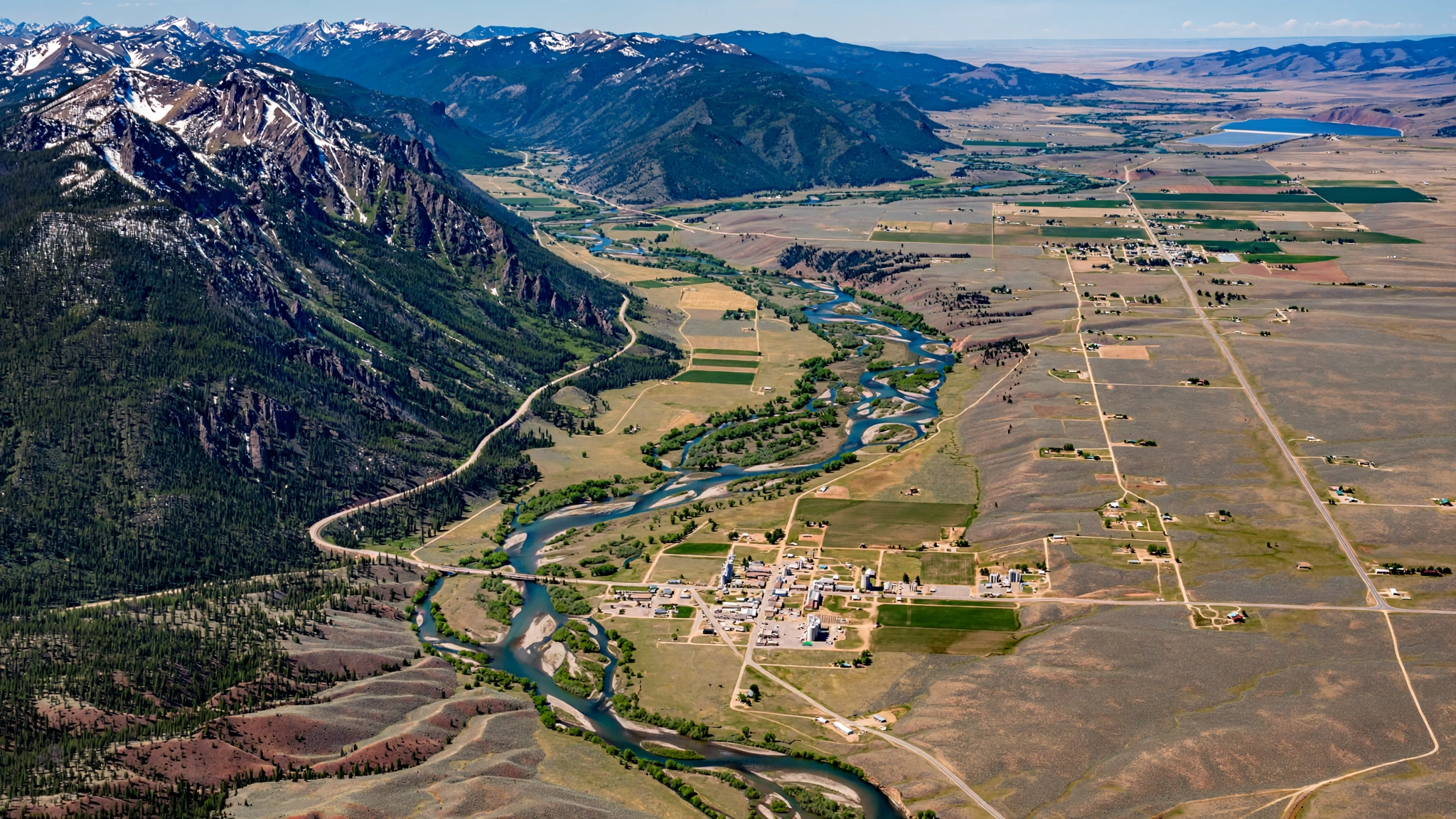
Fremont County also has a distinctive relationship with the surrounding tribal communities and public lands. Questions of jurisdiction can become especially important in areas where federal, state, local, and tribal authorities have different responsibilities.
For the public, jurisdictional complexity can sometimes be confusing. People may wonder why one agency is involved in a case while another agency appears to take the lead. The answer often depends on where an incident occurs, which laws may apply, who has investigative authority, and what relationships exist between agencies.
A coordinated task force helps address those complexities through established partnerships.
The Role of the FBI in a Task-Force Environment
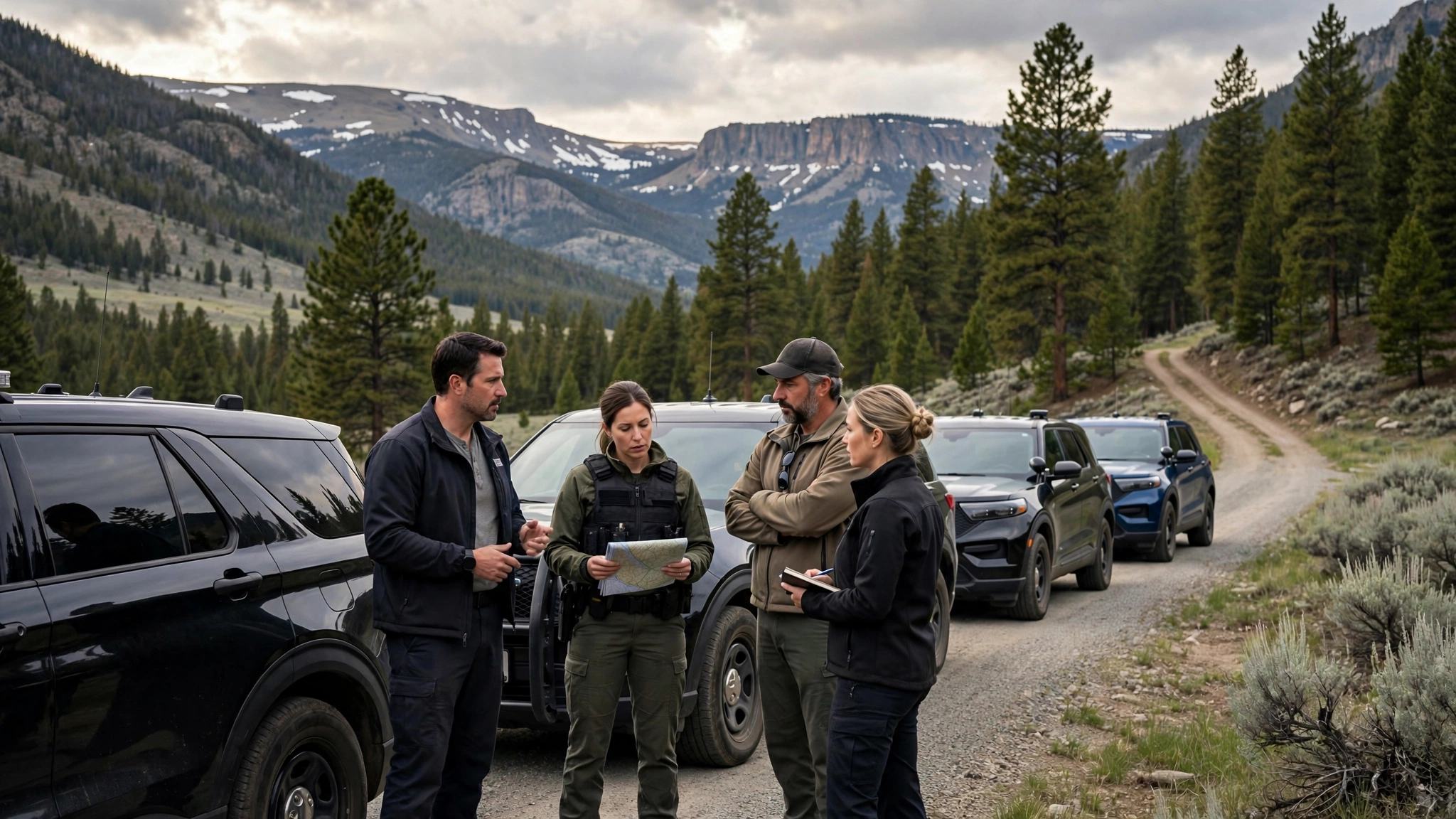
When federal investigators participate in a task force, their role can extend beyond ordinary local policing. Federal investigators may become involved when cases have federal implications, cross jurisdictional boundaries, involve organized criminal networks, or require specialized investigative resources.
The FBI is particularly associated with investigations involving serious federal crimes, organized criminal activity, violent crime, and threats that require federal investigative capabilities.
However, federal involvement does not mean that local agencies become irrelevant.
Quite the opposite can be true.
Local officers and investigators often possess valuable knowledge about the people, locations, communities, and circumstances involved in a case. They may understand relationships that are difficult for an outside investigator to recognize immediately. Their experience can provide context that strengthens a larger investigation.
A successful task force therefore depends on cooperation rather than one agency simply replacing another.
Local Knowledge Is a Major Strength
One of the most important advantages of a multi-agency task force is the combination of local knowledge with specialized investigative capabilities.
Local law-enforcement personnel spend significant amounts of time working within their communities. They understand neighborhoods, roads, businesses, recurring problems, and community relationships. That knowledge can be extremely useful when investigators are trying to understand a complicated case.
Federal investigators bring different strengths. They may have access to specialized investigative tools, broader jurisdictional capabilities, and experience handling complex cases.
State agencies can provide another level of support, particularly when investigations cross multiple local jurisdictions.
When these groups communicate effectively, each agency can contribute what it does best.
The result is not simply a larger police presence. It is a more connected investigative system.
What Types of Criminal Problems Can Task Forces Address?
The exact priorities of a task force can change over time, but multi-agency law-enforcement groups are commonly designed to address serious problems that require coordinated investigation.
These can include drug trafficking, violent crime, illegal firearms activity, organized criminal networks, and other offenses that extend beyond the practical reach of a single local department.
Drug trafficking is a particularly important example because distribution networks rarely operate in only one location.
A person selling drugs at the street level may be only one part of a much larger supply chain. Investigators may need to understand where substances originate, how they move, who distributes them, how money changes hands, and who coordinates the operation.
That type of investigation requires time and cooperation.
It also requires investigators to distinguish between individual offenders and larger criminal organizations. A task force can provide the personnel and investigative structure necessary to pursue those broader connections.
Why Drug Trafficking Investigations Are Complex
Drug investigations can involve far more than identifying an individual suspected of possessing illegal substances.
Investigators may attempt to establish relationships between people, locations, vehicles, financial transactions, communications, and repeated activities. They may need to determine whether an individual is acting independently or as part of a larger network.
The challenge becomes even greater when multiple jurisdictions are involved.
A task force can make it easier for investigators to share legally appropriate information and coordinate investigative activity. That does not mean every agency automatically receives unlimited access to everything. Law-enforcement cooperation still operates within legal and procedural boundaries.
Searches, arrests, surveillance, evidence collection, warrants, interviews, and prosecutions all involve rules that investigators must follow.
That legal framework is essential because effective enforcement must also be lawful enforcement.
The Importance of Due Process
Whenever people read about a law-enforcement task force, it is important to remember the difference between an allegation and a conviction.
An arrest does not automatically establish guilt. An investigation does not mean that every person questioned by authorities committed a crime. A criminal charge is an accusation that must be resolved through the legal system.
This principle is particularly important in task-force investigations because complex cases may involve numerous suspects, witnesses, associates, or people whose connection to an investigation may not ultimately result in criminal charges.
Responsible public discussion should therefore avoid declaring someone guilty simply because their name appears in a law-enforcement announcement.
The justice system exists precisely because allegations must be evaluated through evidence and legal procedures.
For readers researching the Safe Trails Task Force Fremont County, this distinction is one of the most important pieces of context to understand.
Cooperation Between Federal and Local Agencies
A strong task force depends heavily on communication.
Imagine an investigation in which a local officer knows something important about a suspect’s activities, while a federal investigator has information connecting that person to a larger network. If those pieces of information remain separate, investigators may not see the complete picture.
Cooperation allows relevant information to be connected.
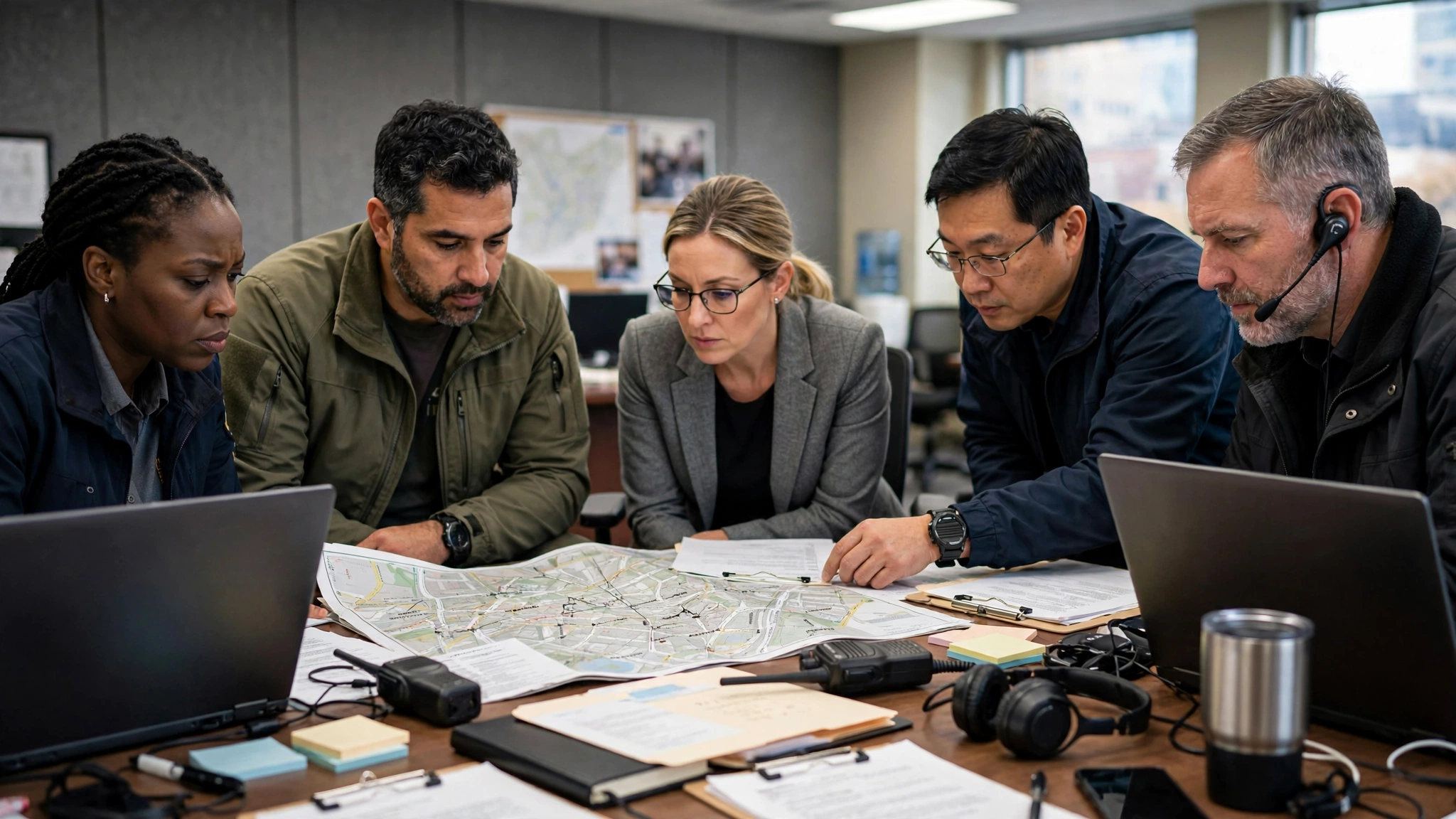
Meetings, investigative briefings, shared case knowledge, coordinated operations, and communication between agencies can help investigators identify relationships that would otherwise remain hidden.
At the same time, cooperation requires professionalism.
Different agencies may have different procedures, organizational cultures, reporting structures, and responsibilities. Effective task-force work requires participants to understand those differences while maintaining a shared objective.
That is one reason experienced leadership matters.
Tribal Communities and Jurisdictional Cooperation
The relationship between law enforcement and tribal communities deserves particular attention when discussing the Fremont County region.
Tribal lands and communities can involve a combination of tribal, federal, state, and local legal authorities. Jurisdiction can depend on factors such as the location of an incident, the identity of the people involved, and the nature of the alleged offense.
This can make cooperation especially important.
Rather than assuming that one organization handles every issue, the public should understand that different authorities can have different responsibilities. Collaborative task forces can help agencies work through those jurisdictional realities.
For tribal communities, effective cooperation is also about more than enforcement. Trust, communication, respect, and cultural understanding can influence whether residents feel comfortable reporting crimes or cooperating with investigators.
A law-enforcement strategy cannot succeed solely through enforcement activity. Community relationships matter too.
Building Public Trust
Public trust is one of the most valuable resources any law-enforcement organization can have.
People are more likely to cooperate with authorities when they believe investigations are conducted professionally, fairly, and within the law. They are also more likely to report information when they believe their concerns will be taken seriously.
A task force therefore has responsibilities beyond making arrests.
It must maintain credibility.
That includes professional conduct, appropriate use of authority, accurate public communication, respect for legal rights, and careful handling of sensitive information.
Trust takes time to build and can be damaged quickly.
For this reason, transparency is an important part of modern public safety. Authorities cannot disclose every investigative detail, especially when doing so could compromise an active investigation. However, providing appropriate public information can help communities understand why major operations occur and what broader safety issues investigators are addressing.
Why Public Cooperation Matters
Law enforcement cannot identify every criminal activity without assistance from the public.
Residents often notice unusual activity before authorities do. They may recognize suspicious patterns, vehicles, locations, or behavior. A single observation may seem insignificant, but information can become useful when combined with other evidence.
This does not mean residents should investigate suspected crimes themselves.
That can be dangerous and can interfere with an investigation.
Instead, people should use appropriate reporting channels when they have legitimate concerns. Emergency situations should be handled through emergency services, while non-emergency concerns can generally be directed to the appropriate local authority.
The key principle is simple: observe, report, and allow trained professionals to investigate.
Community Safety Is More Than Arrests
It is easy to measure law enforcement by visible outcomes such as arrests, searches, prosecutions, or seizures. Those actions can be important, but they are not the only measure of success.
A safer community is also one where serious criminal networks find it harder to operate, residents feel comfortable reporting problems, victims can access assistance, and agencies communicate effectively.
Prevention matters too.
When investigators disrupt a criminal organization, the impact can extend beyond the people directly arrested. Removing important elements of a trafficking network, for example, can make it harder for that organization to continue operating.
However, communities should also recognize that criminal problems rarely disappear permanently after one operation.
Long-term public safety requires continuous work.
Why Task Forces Need Specialized Skills
Modern investigations increasingly involve technology.
Investigators may encounter digital communications, online transactions, electronic records, surveillance footage, financial data, and other forms of digital evidence.
This means contemporary law enforcement requires more than traditional patrol skills.
Investigators may need knowledge of financial crimes, digital evidence, intelligence analysis, forensic techniques, interviewing, surveillance, and case preparation.
A task force can bring together people with different specialties.
This specialization becomes particularly valuable in large investigations where no single investigator can realistically handle every aspect of the case.
Technology can also help investigators connect information that would otherwise be difficult to analyze manually. However, technology does not replace judgment. Evidence still has to be interpreted correctly, verified, documented, and handled according to legal requirements.
Investigative Evidence and the Court System
The ultimate purpose of a criminal investigation is not simply to make an arrest.
Investigators must develop evidence that can withstand legal scrutiny.
That means documenting investigative steps, preserving evidence, following applicable procedures, and preparing cases for prosecutors and courts.
A strong case requires more than suspicion.
Investigators may need testimony, physical evidence, digital records, surveillance information, forensic results, financial records, or other legally obtained evidence.
Prosecutors then evaluate the available evidence and determine how a case should proceed.
The courts provide another layer of review.
This system is designed to balance public safety with individual rights.
That balance is essential to a functioning justice system.

The Difference Between a Task Force and a Regular Police Department
A police department typically has an ongoing responsibility for a defined jurisdiction. Officers respond to calls, conduct investigations, patrol communities, enforce laws, assist victims, and perform many other daily duties.
A task force is usually more specialized.
Its personnel may come from several organizations and focus on a particular category of criminal activity or investigative objective.
This allows a task force to concentrate resources on problems that require a coordinated response.
The two models are not competitors.
They can complement each other.
Local officers may encounter information during routine policing that becomes relevant to a task-force investigation. Task-force investigators may later need assistance from local officers who understand the area.
The relationship works best when communication remains strong.
What Residents Should Know About Task-Force Operations
Residents may occasionally notice increased law-enforcement activity associated with a major investigation. There may be additional vehicles, officers, investigators, or activity around a particular location.
That does not necessarily mean the entire community is in danger.
Large investigations often require coordinated operations that may look more significant than ordinary police activity.
People should avoid interfering with law-enforcement operations and should follow instructions given by authorities at an active scene.
It is also wise to avoid spreading unverified information on social media.
During major operations, rumors can spread rapidly. Incorrect claims about arrests, agencies, suspects, or the purpose of an operation can create unnecessary fear and confusion.
Reliable information should come from official announcements or verified public records rather than speculation.
The Role of Responsible Journalism
Public understanding of law enforcement is strongly influenced by the way incidents are reported.
Responsible reporting should distinguish facts from allegations and confirmed information from speculation.
This is especially important when a case involves serious accusations.
Headlines can sometimes make an investigation sound conclusive before a court has evaluated the evidence. Readers should therefore pay attention to wording such as “alleged,” “charged,” “arrested,” and “convicted.”
These words do not mean the same thing.
For anyone researching the Safe Trails Task Force Fremont County, understanding this language can help separate reliable information from sensationalized claims.
Common Misunderstandings About the Safe Trails Task Force
One common misunderstanding comes directly from the name.
The word “trails” can lead people to assume the organization is primarily responsible for hiking trails, trail maintenance, outdoor recreation, or environmental protection.
That interpretation can be misleading.
The relevant task-force concept is connected to criminal investigations and law enforcement rather than functioning simply as a recreational trail-management program.
Another misunderstanding is that a task force operates completely independently from local agencies.
In reality, task forces are built around cooperation.
A third misunderstanding is that every investigation automatically involves every participating agency. That is not necessarily how multi-agency work operates. Agencies may contribute different resources depending on the needs of a particular investigation.
Understanding these distinctions makes it easier to interpret information about the organization accurately.

Why Long-Term Collaboration Matters
Criminal networks can adapt.
When law enforcement disrupts one method of operation, criminals may change locations, communication methods, transportation methods, or distribution strategies.
That means agencies cannot rely on a single operation to solve a long-term problem.
Continuous intelligence gathering, investigation, cooperation, training, and community communication are necessary.
Task forces provide a structure for maintaining that long-term cooperation.
The strongest results often come from relationships developed over years rather than from one dramatic operation.
Investigators learn how to work with one another. Agencies understand each other’s capabilities. Communication becomes faster. Procedures become more familiar.
Those relationships can become a significant asset when a major case develops unexpectedly.
Training and Professional Development
Law enforcement changes constantly.
New technology creates new investigative opportunities and new criminal methods. Changes in legislation can affect investigative procedures. Criminal organizations adapt to enforcement strategies.
Professional development is therefore essential.
Task-force investigators may need ongoing training in areas such as evidence handling, interviewing, digital investigations, intelligence analysis, firearms investigations, financial investigations, and other specialized subjects.
Training also reinforces legal and ethical standards.
Good investigative work depends not only on finding evidence but on obtaining and documenting it properly.
The quality of an investigation can ultimately depend on small procedural details.
Public Safety and Individual Rights
Strong law enforcement and protection of individual rights should not be viewed as opposing goals.
They are both necessary.
Communities need protection from serious crime, but authorities must also operate within the law. Investigators need appropriate tools to conduct their work, while citizens need confidence that government power is being exercised responsibly.
A professional task-force environment recognizes both responsibilities.
That balance can be particularly important during high-profile operations, where public attention is intense and misinformation can spread quickly.
The legitimacy of law enforcement depends not simply on its ability to enforce laws, but on its willingness to enforce them fairly and lawfully.
How the Task Force Can Affect Everyday Residents
Most residents will never have direct contact with a task-force investigation.
Nevertheless, the work can affect the wider community.
When serious criminal networks are disrupted, communities may experience indirect benefits. Businesses may feel more secure. Families may feel safer. Residents may become more willing to report suspicious activity.
The effects can also extend to vulnerable people who are disproportionately affected by drug trafficking, violence, exploitation, and organized criminal activity.
Public safety is therefore not limited to dramatic arrests.
It is about creating an environment where people can live, work, study, travel, and raise families with greater confidence.
Why Accurate Information Matters
Searches for safe trails task force fremont county can produce many different kinds of online content. Some pages may use the term in a general or inaccurate way. Others may discuss individual criminal cases without providing enough context.
Readers should be cautious about treating every article or social-media post as authoritative.
A good approach is to compare information with official public statements, court records, and established law-enforcement communications when specific claims need verification.
This is particularly important when researching names, charges, arrests, sentencing information, or current operations.
General explanations can help people understand the concept, but case-specific information should always be verified.

The Future of Regional Law Enforcement
The future of public safety will likely involve even greater cooperation between agencies.
Criminal activity is becoming increasingly interconnected. Digital communication, online financial systems, transportation networks, and rapidly changing technology can make traditional jurisdictional boundaries less meaningful for investigators.
That does not eliminate the importance of local law enforcement.
Instead, it increases the value of partnerships.
The future task-force model may depend increasingly on information analysis, digital investigations, interagency communication, specialized training, and community relationships.
At the same time, technology should remain a tool rather than a substitute for professional judgment.
Investigators still need to understand people, communities, evidence, and context.
What Makes a Task Force Effective?
Several qualities can contribute to a successful task force.
The first is communication. Agencies need to exchange relevant information efficiently.
The second is trust. Investigators from different organizations need confidence that their partners will perform their responsibilities professionally.
The third is specialization. Complex cases require people with different skills.
The fourth is accountability. Investigative authority must be exercised responsibly.
The fifth is community awareness. Law enforcement ultimately exists to serve the public.
When these elements work together, a task force can become more than a collection of agencies. It becomes a coordinated investigative network.
Frequently Asked Questions About Safe Trails Task Force Fremont County
What is the Safe Trails Task Force Fremont County?
The Safe Trails Task Force Fremont County refers to a multi-agency law-enforcement task-force effort associated with criminal investigations and public safety in the Fremont County and surrounding regional context. The task-force model allows agencies with different responsibilities and capabilities to cooperate on serious investigations.
Is the Safe Trails Task Force mainly responsible for hiking trails?
No. The name can easily create that impression, but the relevant Safe Trails Task Force is associated with law enforcement rather than functioning as an ordinary hiking-trail maintenance or recreation organization.
Why are multiple agencies involved?
Criminal investigations can cross city, county, state, federal, and tribal jurisdictions. Multiple agencies can contribute different types of authority, local knowledge, investigative experience, and specialized resources.
Does a task force replace local police?
No. Task forces generally complement local law enforcement. Local agencies continue their normal responsibilities while participating personnel can contribute to specialized investigations when appropriate.
What kinds of crimes can a task force investigate?
The focus can depend on the task force’s mission and current priorities, but serious multi-jurisdictional criminal activity can include drug trafficking, violent crime, organized criminal activity, firearms-related offenses, and related federal or local violations.
Does being investigated mean someone is guilty?
No. An investigation, arrest, or criminal charge does not by itself establish guilt. Criminal allegations must be evaluated through the legal system, and defendants are entitled to the applicable legal protections.
Why is the FBI involved in a local or regional task force?
Federal agencies can become involved when an investigation has federal implications, crosses jurisdictions, involves serious organized criminal activity, or requires specialized federal investigative capabilities.
Can local residents help law enforcement?
Residents can contribute by reporting legitimate concerns through appropriate channels and providing accurate information when requested. People should not attempt to confront suspects or conduct their own investigations.
Should residents post information about an active operation online?
It is generally better to avoid spreading unverified information during an active law-enforcement operation. Incorrect reports can create confusion and potentially interfere with legitimate public-safety efforts.
How can someone verify information about a Safe Trails Task Force case?
For specific cases, readers should rely on official law-enforcement announcements, court records, prosecutor statements, and other authoritative public information. Social-media claims and anonymous posts should be treated cautiously.
Why does jurisdiction matter in Fremont County?
Different authorities can have different legal responsibilities depending on where an incident occurs and the circumstances of the case. Cooperation helps agencies address investigations that involve more than one jurisdiction.
Does a task force only respond after a crime happens?
Task-force investigations can involve both reactive and proactive law-enforcement work. The exact approach depends on the mission, available information, legal requirements, and investigative priorities.
Is the task force important to ordinary residents?
Yes. Even residents who never interact directly with investigators can benefit from coordinated efforts to address serious criminal activity. Public safety affects the broader community, not only the people directly involved in a particular case.
Final Thoughts on Safe Trails Task Force Fremont County
The Safe Trails Task Force Fremont County is best understood as an example of coordinated law enforcement rather than as a conventional organization responsible for maintaining recreational trails.
Its significance comes from the basic reality that serious criminal activity can cross boundaries. When investigations involve multiple communities or jurisdictions, cooperation can provide investigators with a broader range of information, expertise, and resources.
For Fremont County and the surrounding region, collaboration can be especially valuable because law enforcement responsibilities may overlap across local, state, federal, and tribal authorities. A coordinated approach can help agencies address complicated investigations while maintaining the specialized roles each organization brings to the table.
For residents, the most useful takeaway is that public safety is a shared responsibility. Law-enforcement agencies provide trained investigators and resources, courts provide legal oversight, prosecutors handle criminal cases, and communities contribute information and cooperation.
The public should also approach information about major investigations carefully. An arrest is not a conviction, an allegation is not proof, and an online rumor is not an official finding. Understanding those distinctions is essential when discussing serious criminal cases.
Ultimately, effective public safety depends on more than enforcement alone. It depends on cooperation, professionalism, lawful investigative practices, community trust, accurate information, and a long-term commitment to addressing problems that affect people’s lives.
That broader perspective is what makes the Safe Trails Task Force Fremont County an important subject for anyone trying to understand modern regional law enforcement and the way different agencies can work together when public-safety challenges extend beyond a single jurisdiction.
For More Visits: NewsPresso
Also Read: Kerala Lottery Guessing Number Ultimate Smart Guide 2025