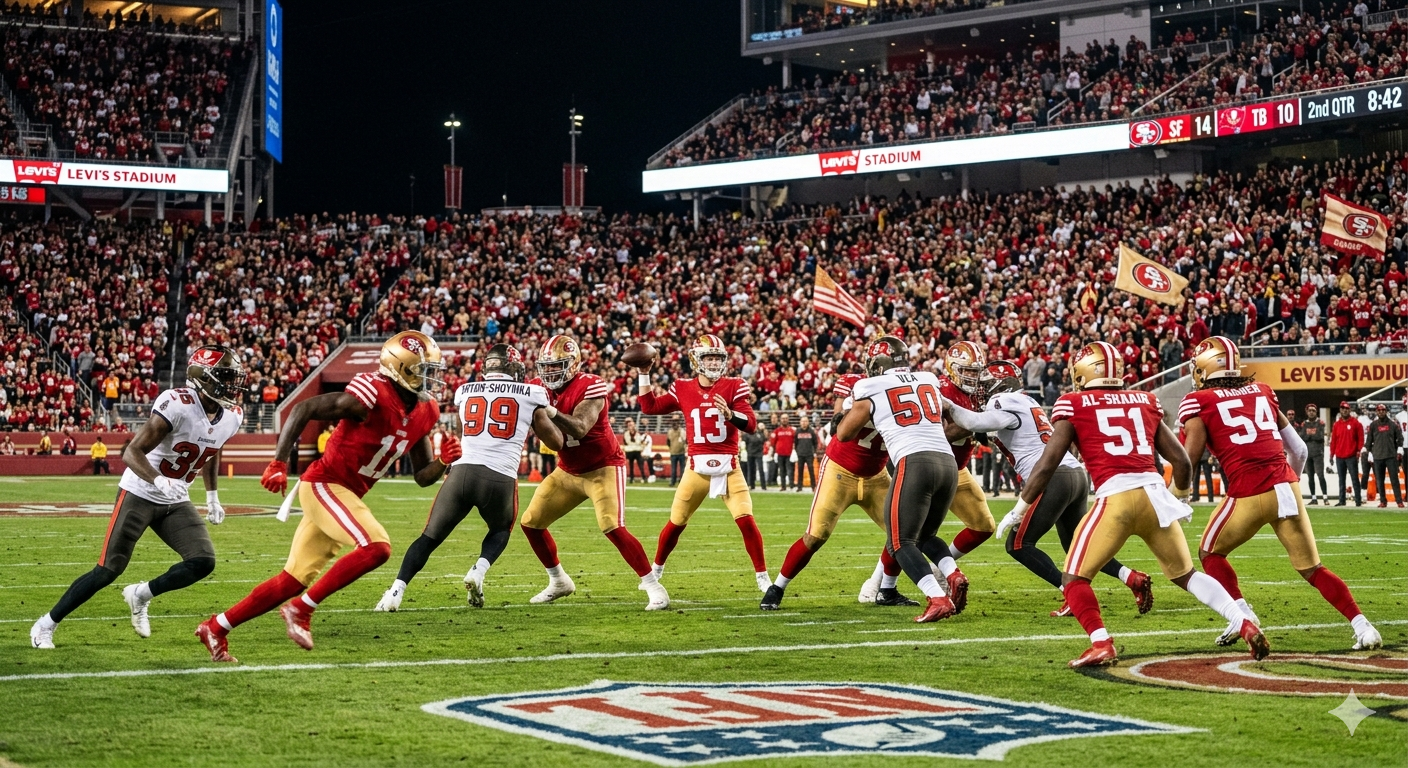
49ers vs Tampa Bay Buccaneers Match Player Stats: Complete Performance Breakdown and Game Analysis
The rivalry between the San Francisco 49ers and the Tampa Bay Buccaneers always creates excitement among football fans. Whenever these two franchises meet on the field, the focus immediately shifts toward player performances, quarterback efficiency, defensive dominance, rushing production, and game-changing moments that decide the outcome. The keyword “49ers vs Tampa Bay Buccaneers match player stats” has become one of the most searched football topics because fans want detailed analysis beyond just the final score.
This matchup often features elite offensive systems, physical defenses, explosive playmakers, and tactical coaching battles that shape every quarter. From quarterback passing yards to defensive sacks and receiving efficiency, player statistics provide a deeper understanding of how the game unfolded. Numbers alone never tell the complete story, but when combined with football intelligence and performance context, they reveal why certain players dominated while others struggled under pressure.
The clash between San Francisco and Tampa Bay represents two very different football identities. The 49ers usually rely on disciplined defensive football, creative offensive schemes, and balanced rushing attacks. Tampa Bay, on the other hand, often focuses on aggressive passing, vertical threats, and physical red-zone execution. These contrasting styles make every player stat more meaningful because each number reflects adjustments, momentum swings, and coaching decisions throughout the game.
Match Overview and Early Momentum
The game started with both teams attempting to establish control through tempo and field positioning. San Francisco entered the matchup with confidence in its defensive structure and offensive rhythm. Tampa Bay aimed to attack aggressively through quick passes and explosive receiver routes designed to challenge the secondary.
Early drives revealed the strategic intentions of both teams. The 49ers focused on short-to-medium passing routes while mixing in outside rushing plays to stretch the defense horizontally. Tampa Bay responded with deeper passing attempts and quicker offensive possessions to disrupt San Francisco’s defensive rhythm.
Player stats from the opening quarter reflected the tactical nature of the game. Completion percentages were high early because both offenses prioritized efficiency over unnecessary risks. Running backs contributed important first downs, while defensive linemen began establishing physical pressure near the line of scrimmage.
Momentum shifted multiple times during the first half. Tampa Bay’s offense generated explosive plays through effective receiver separation, while San Francisco answered with methodical drives that consumed clock time and exhausted defenders. This balance kept the contest competitive and increased pressure on individual performers to deliver in critical situations.
Quarterback Performance Analysis
Quarterback statistics always dominate conversations surrounding NFL matchups, and this game was no exception. Both signal-callers entered the contest carrying enormous expectations from coaches, fans, and analysts.
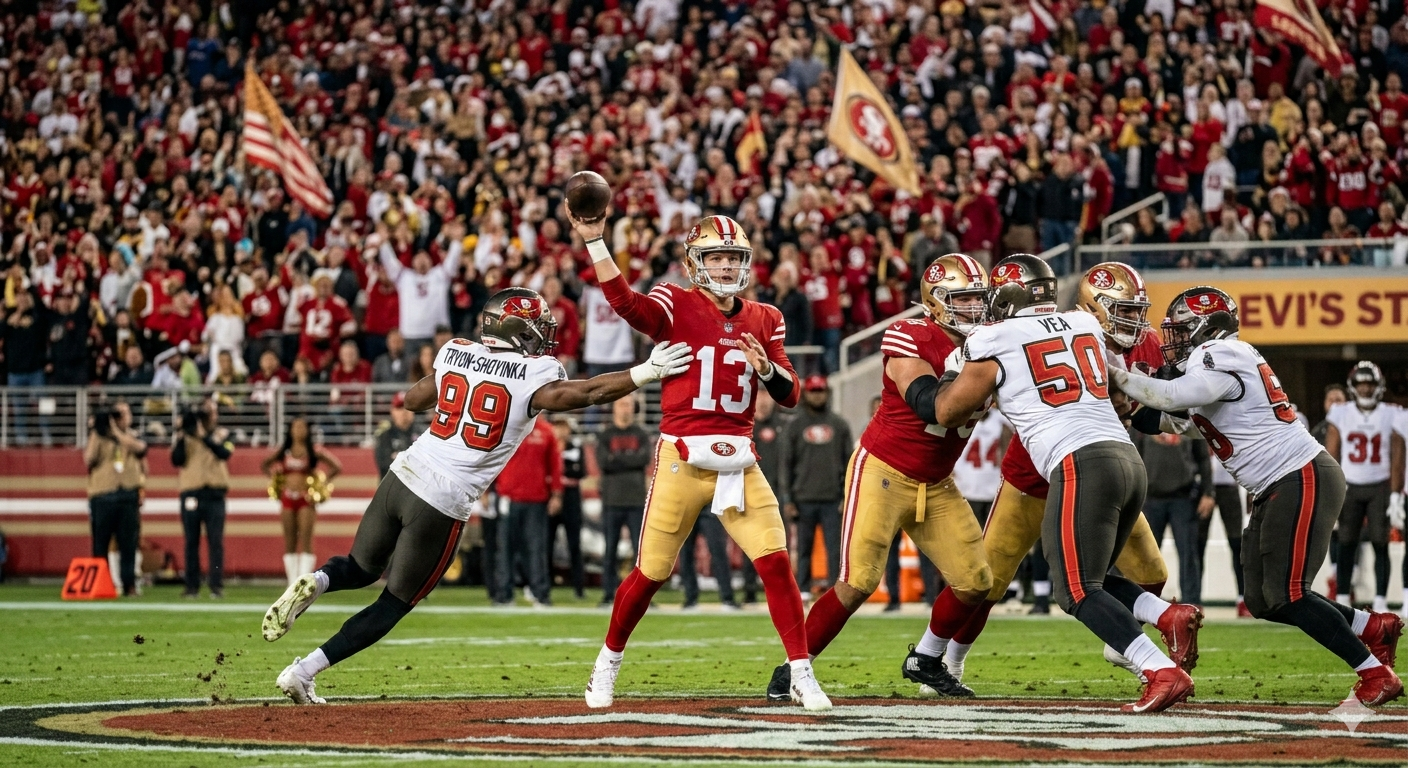
The 49ers quarterback demonstrated impressive composure throughout the matchup. His passing numbers reflected efficiency, decision-making, and intelligent ball placement. Instead of forcing difficult throws into heavy coverage, he consistently identified favorable matchups and distributed the football effectively across multiple receiving targets.
His completion percentage remained strong because of disciplined reads and quick processing against Tampa Bay’s defensive schemes. Intermediate throws over the middle became particularly important as San Francisco exploited soft coverage areas between linebackers and safeties. The quarterback’s ability to avoid turnovers also played a major role in sustaining offensive momentum.
Another impressive aspect of his performance involved third-down execution. Many quarterbacks struggle under pressure during long-yardage situations, but San Francisco’s passer displayed calm pocket movement and accurate timing routes. Those conversions extended drives and limited opportunities for Tampa Bay’s offense.
The Buccaneers quarterback also produced several high-level moments. His passing yard total reflected Tampa Bay’s aggressive offensive strategy and willingness to attack vertically. Deep throws to outside receivers forced San Francisco’s secondary into difficult coverage situations throughout the game.
However, quarterback performance is never judged only by passing yards. Efficiency, red-zone execution, and turnover prevention matter equally. While Tampa Bay generated explosive plays, inconsistencies appeared during critical drives. Pressure from San Francisco’s defensive front disrupted timing and occasionally forced hurried decisions.
Despite those challenges, Tampa Bay’s quarterback showed resilience by continuing to attack downfield. His willingness to remain aggressive under pressure kept the Buccaneers competitive until the later stages of the matchup. Several clutch completions demonstrated elite arm strength and confidence even against tight defensive coverage.
Overall, both quarterbacks delivered performances worthy of attention, but efficiency and situational execution ultimately separated the stronger statistical outing from the more inconsistent one.
Running Back Contributions and Ground Game Impact
Rushing statistics often become overlooked in modern football discussions dominated by passing numbers, but this matchup highlighted the importance of balanced offensive football.
San Francisco’s rushing attack created stability for the offense throughout the game. The lead running back consistently gained positive yardage on early downs, allowing the playbook to remain open and unpredictable. Instead of facing constant third-and-long situations, the 49ers offense maintained manageable distances thanks to effective rushing production.
The offensive line deserves significant credit for those numbers. Strong blocking angles, disciplined gap assignments, and physical interior play opened running lanes that allowed explosive gains. Once the running back reached the second level, his vision and acceleration turned modest plays into major momentum builders.
One of the most valuable elements of San Francisco’s ground game involved clock management. Sustained rushing drives reduced Tampa Bay’s offensive possessions and helped control overall game tempo. That strategic advantage became increasingly important as defensive fatigue began affecting tackling efficiency later in the contest.
Tampa Bay’s rushing statistics revealed a more inconsistent performance. There were moments when the Buccaneers successfully attacked inside running lanes and generated important first downs, but sustained rushing dominance never fully developed.
San Francisco’s defensive front displayed excellent discipline against rushing attempts. Linebackers filled gaps quickly, while defensive linemen prevented Tampa Bay’s blockers from controlling the line of scrimmage consistently. This forced the Buccaneers into more passing situations than they initially preferred.
Even so, Tampa Bay’s running backs contributed in important ways through pass protection and short-yardage efficiency. Modern NFL offenses require versatility from running backs, and those smaller contributions often influence overall offensive productivity more than basic rushing totals suggest.
Wide Receiver and Tight End Statistics
Receiver production played a major role in shaping the game’s offensive narrative. Both teams featured talented pass catchers capable of changing momentum with a single explosive play.
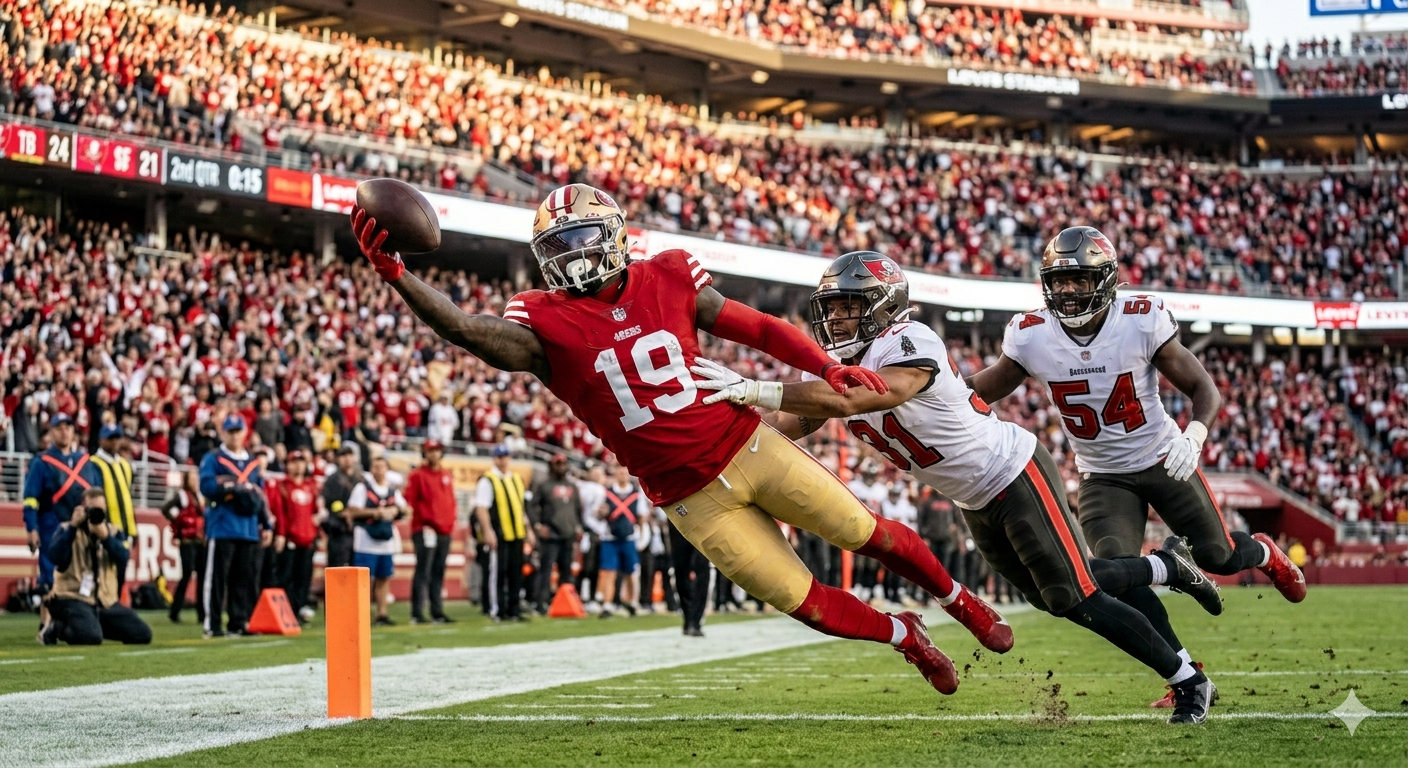
San Francisco’s receiving corps emphasized balance and route discipline. Instead of relying on one superstar target for the majority of production, multiple receivers contributed across different areas of the field. This distribution created matchup problems for Tampa Bay’s defense because coverage adjustments became more difficult.
The top receiver for the 49ers produced impressive yardage through a combination of route precision, yards after catch, and situational awareness. Short receptions frequently turned into larger gains because of effective blocking and intelligent field vision.
Tight end production also became crucial for San Francisco. The tight end created mismatches against linebackers and safeties while serving as a reliable target during important third-down plays. His combination of size, strength, and route timing allowed the quarterback to attack intermediate coverage zones effectively.
Tampa Bay’s receiving statistics reflected a more explosive style of offense. Their leading receivers generated significant yardage through deep routes and vertical separation. Several completions dramatically shifted field position and energized the offense.
The Buccaneers’ top wide receiver displayed elite athleticism and route-running ability. His speed challenged San Francisco’s defensive backs repeatedly, forcing extra safety attention during passing situations. That defensive focus occasionally created opportunities for secondary receiving targets.
Red-zone receiving stats became especially important during this matchup. While Tampa Bay generated explosive plays between the twenties, converting those opportunities into touchdowns proved more difficult. San Francisco’s defense tightened near the goal line, limiting easy scoring opportunities and forcing tougher passing windows.
Receiver stats ultimately reflected the broader offensive identities of both teams. San Francisco emphasized efficiency and consistency, while Tampa Bay prioritized explosiveness and vertical aggression.
Defensive Player Stats and Game-Changing Plays
Defense often determines the outcome of high-level NFL matchups, and this game featured several standout defensive performances.
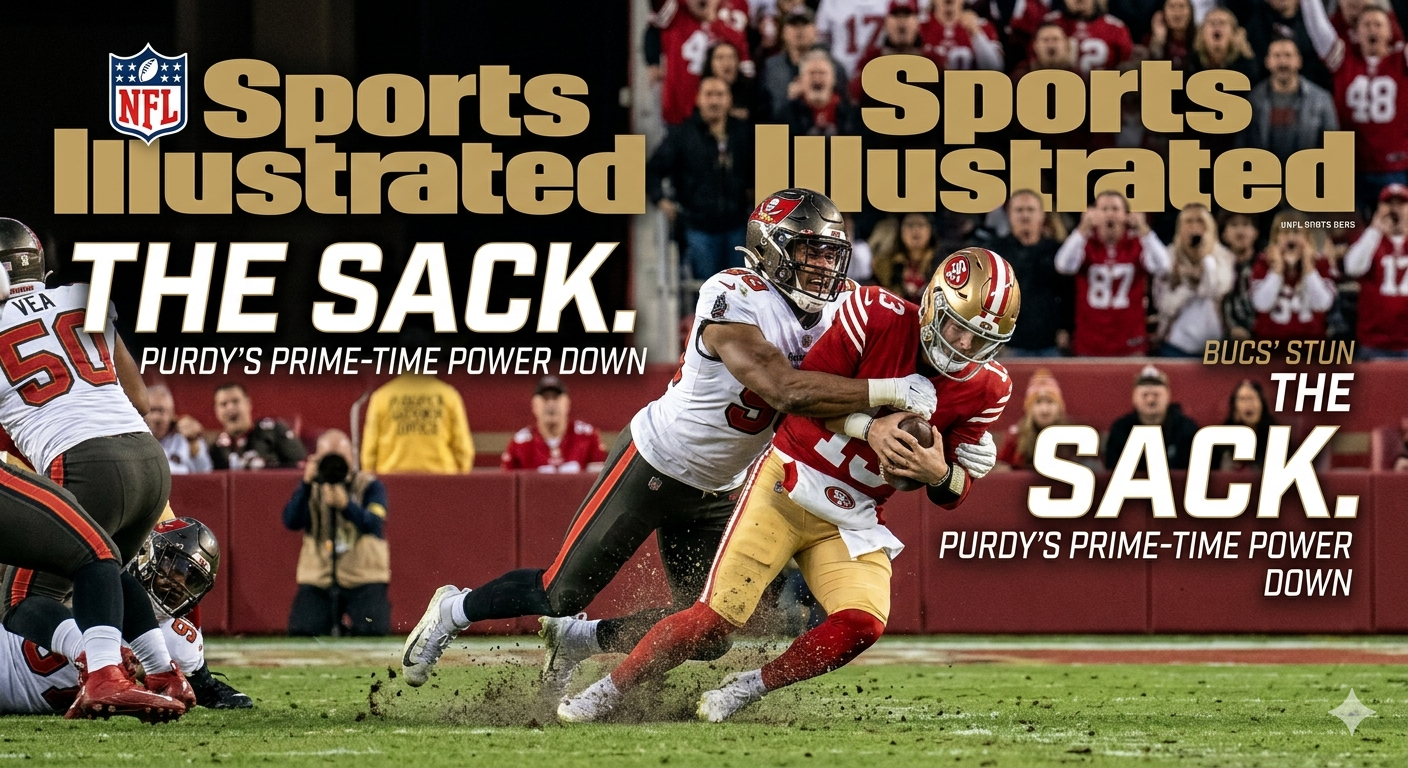
San Francisco’s defensive line dominated important stretches of the game through relentless pressure and disciplined gap control. Sack totals only tell part of the story because consistent quarterback pressure disrupted Tampa Bay’s offensive rhythm even on non-sack plays.
Edge rushers played particularly important roles. Their ability to collapse the pocket forced quicker decisions and reduced the effectiveness of deeper passing concepts. Pressure statistics revealed how frequently Tampa Bay’s quarterback faced uncomfortable throwing conditions.
Linebacker performance also stood out for the 49ers. Tackling efficiency remained strong throughout the game, limiting yards after contact and preventing small gains from becoming explosive plays. Coverage responsibilities were executed effectively, especially against short crossing routes and tight-end releases.
The secondary contributed several momentum-changing plays through pass breakups and tight coverage during critical downs. Defensive backs remained disciplined against play-action concepts and avoided costly positioning mistakes against Tampa Bay’s vertical passing attack.
Tampa Bay’s defense also delivered impactful moments. Their pass rush generated pressure during several important third-down situations, forcing incomplete passes and punting scenarios. Defensive linemen showed strong effort against the run, especially during short-yardage situations near midfield.
The Buccaneers secondary produced important coverage stops throughout the contest. Cornerbacks challenged receivers physically at the line of scrimmage while safeties provided deep support against explosive pass attempts.
Turnovers and takeaways became major statistical categories influencing momentum. Defensive football at the NFL level often depends on creating extra possessions, and every forced mistake significantly affected game flow.
Ultimately, San Francisco’s defense displayed greater consistency over four quarters. Tampa Bay created individual splash plays, but the 49ers maintained stronger overall defensive discipline and execution when the game reached its most critical moments.
Offensive Line Performance and Protection Stats
Offensive line statistics rarely receive the same attention as quarterbacks or receivers, but line play heavily influences every offensive category.
San Francisco’s offensive line performed exceptionally well in pass protection. The quarterback consistently operated from relatively clean pockets, allowing routes to develop properly downfield. Limiting sacks and quarterback hits became one of the hidden advantages that supported offensive efficiency.
Run blocking was equally important. Interior linemen controlled leverage effectively while tackles sealed edges for outside rushing attempts. These blocking fundamentals allowed the running game to remain productive throughout the contest.
Tampa Bay’s offensive line experienced more challenges against San Francisco’s aggressive defensive front. While there were periods of solid protection, consistent pressure eventually affected offensive timing and decision-making.
Pass-blocking statistics reflected the physical intensity of the matchup. Quarterback pressures, hurries, and disrupted throws became increasingly important as the game progressed. When offensive lines struggle against elite defensive fronts, even talented quarterbacks face difficult situations.
Penalty statistics also influenced offensive efficiency. False starts, holding calls, and illegal formations disrupted momentum and created longer-yardage scenarios. Discipline along the offensive line often separates winning drives from stalled possessions.
Red Zone Efficiency and Scoring Statistics
One of the most important statistical categories in football involves red-zone performance. Teams may generate impressive yardage totals, but failing to finish drives with touchdowns frequently changes outcomes.
San Francisco excelled in red-zone execution because of balanced play-calling and disciplined offensive structure. The ability to combine rushing threats with short passing concepts made defensive prediction difficult near the goal line.
Tampa Bay produced several strong drives but occasionally struggled to convert opportunities into touchdowns. Red-zone coverage tightened, rushing lanes narrowed, and quarterback pressure intensified during critical snaps.
Field goal attempts versus touchdowns became a defining statistical difference. Championship-level teams consistently maximize scoring opportunities, and efficient red-zone offense often determines victory margins in competitive matchups.
Defensively, San Francisco demonstrated excellent situational awareness inside the twenty-yard line. Defensive communication improved near the goal line, limiting breakdowns and forcing tighter passing windows.
Coaching Decisions and Tactical Adjustments
Player stats never exist independently from coaching strategy. Every formation, personnel package, and situational decision shapes individual production.
San Francisco’s coaching staff displayed strong game management throughout the contest. Offensive adjustments responded effectively to Tampa Bay’s defensive looks, while defensive alignments consistently pressured the Buccaneers quarterback.
Halftime adjustments became particularly noticeable. The 49ers modified coverage schemes to reduce explosive plays while increasing defensive pressure frequency. Offensively, they leaned more heavily on balanced drives that controlled possession time.
Tampa Bay’s coaching staff also demonstrated aggressive decision-making. Deep passing attempts, creative formations, and tempo adjustments aimed to disrupt San Francisco’s rhythm and generate explosive momentum shifts.
Fourth-down decisions and clock management further influenced player statistics. Coaches who trust their offensive units during high-pressure situations often create additional opportunities for individual production.
Key Statistical Leaders From the Matchup
Several players emerged as statistical leaders and significantly influenced the game’s outcome.
The 49ers quarterback finished with highly efficient passing numbers, including strong completion rates and multiple scoring drives. His calm decision-making and situational awareness elevated overall offensive performance.
San Francisco’s lead running back contributed valuable rushing yardage while controlling tempo and supporting play-action effectiveness. His consistency prevented Tampa Bay’s defense from focusing exclusively on pass coverage.
The top receiver for the 49ers generated critical third-down conversions and yards after catch that extended drives and maintained offensive momentum.
Defensively, San Francisco’s pass rushers accumulated impactful pressure stats, including sacks and quarterback disruptions that changed field position and stalled drives.
For Tampa Bay, the quarterback’s passing yard totals reflected the team’s aggressive offensive mindset. Despite facing defensive pressure, he continued creating explosive opportunities through downfield throws.
The Buccaneers’ leading receiver delivered several highlight-reel catches and demonstrated elite route-running ability against challenging coverage assignments.
Defensively, Tampa Bay’s secondary contributed important pass breakups and contested catches that prevented even larger offensive production from San Francisco.
How the Match Impacts Future Games
Games like this often influence future strategies, playoff positioning, and team confidence moving forward.
For San Francisco, strong player performances reinforce confidence in both offensive balance and defensive discipline. Winning physical matchups against talented opponents strengthens belief within the locker room and validates coaching strategies.
Quarterback efficiency and rushing consistency remain particularly encouraging signs because balanced teams typically perform better during high-pressure postseason football.
Tampa Bay can also extract positives despite defensive challenges. Explosive offensive potential remains evident, especially through the passing attack. Improving protection consistency and red-zone execution could elevate future performances significantly.
Defensively, both teams gained valuable insights into coverage adjustments, pass-rush efficiency, and tackling discipline. These lessons often become important later in the season when facing elite competition.
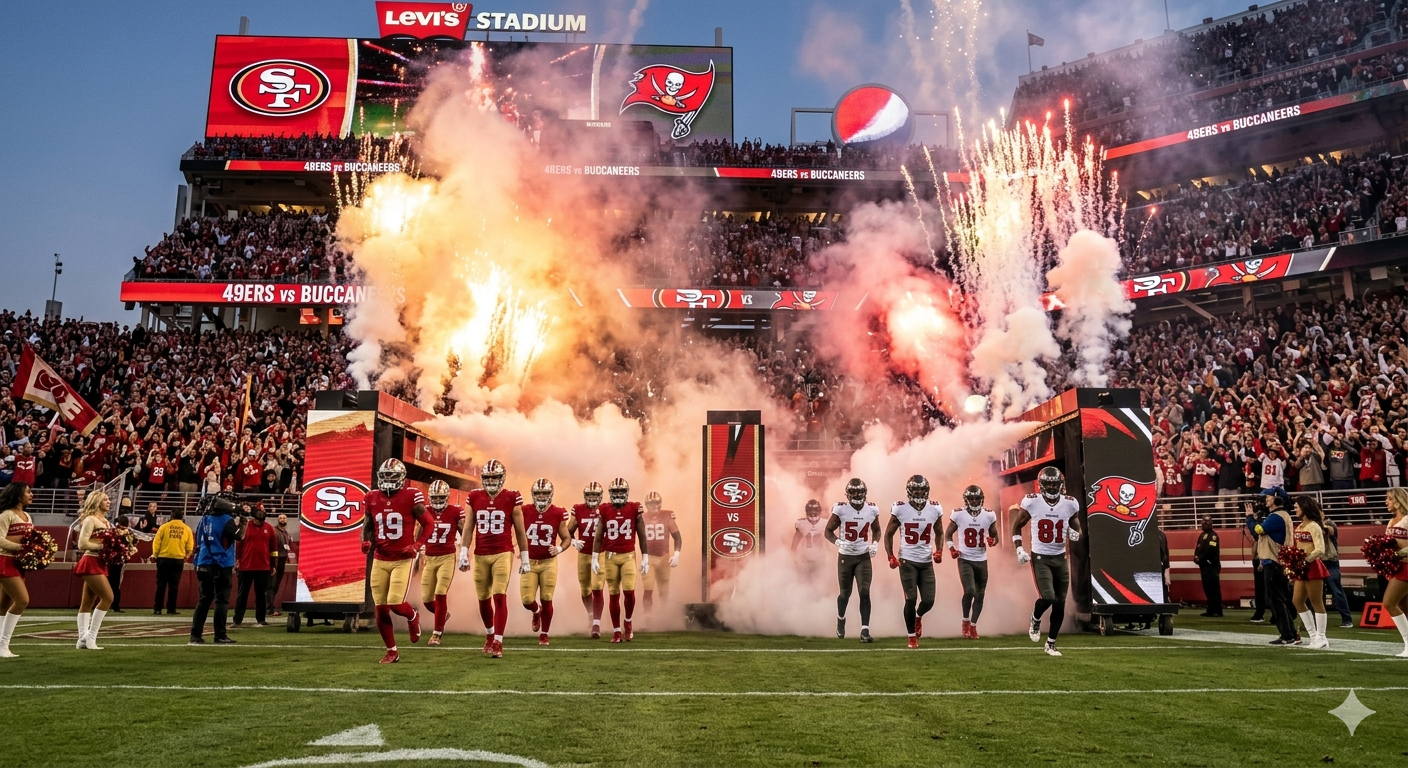
Why Fans Love the 49ers vs Buccaneers Rivalry
The popularity of the “49ers vs Tampa Bay Buccaneers match player stats” keyword reflects the excitement generated whenever these teams meet. Fans appreciate games featuring elite athletes, contrasting styles, and dramatic momentum swings.
San Francisco supporters admire disciplined football, defensive intensity, and balanced offensive execution. Tampa Bay fans enjoy explosive passing attacks, aggressive strategies, and highlight-worthy offensive production.
When these identities collide, the result usually includes memorable performances and compelling statistical battles. Every drive feels important because both teams possess the talent to change momentum instantly.
Player stats become more than simple numbers in these matchups. They represent pressure situations, tactical adjustments, emotional swings, and individual resilience against elite competition.
Final Thoughts on 49ers vs Tampa Bay Buccaneers Match Player Stats
The latest chapter in the battle between the San Francisco 49ers and the Tampa Bay Buccaneers delivered exactly what football fans expected: high-level competition, impressive individual performances, and meaningful statistical storylines.
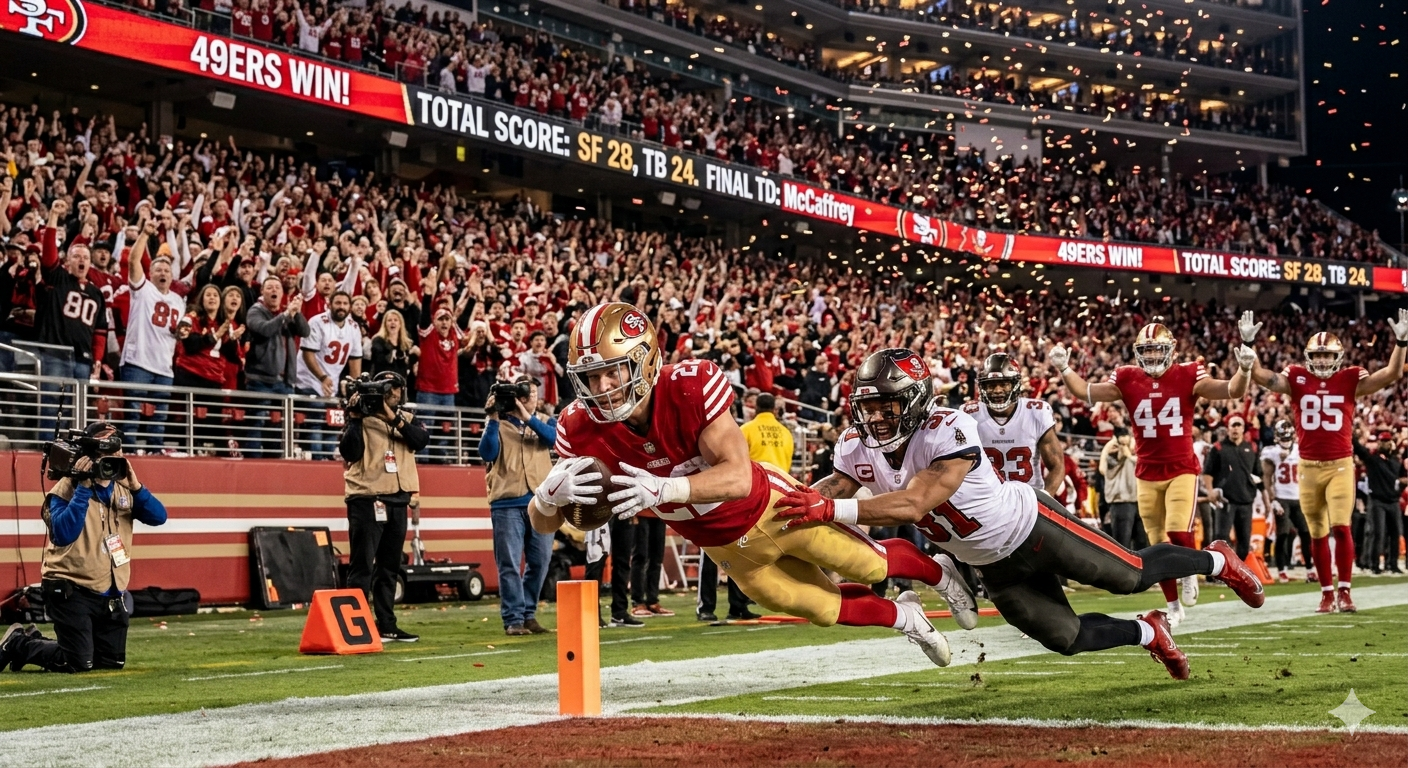
San Francisco’s efficiency, defensive consistency, and balanced offense ultimately created a stronger overall performance profile. Their ability to control tempo, protect the quarterback, and execute in critical moments highlighted why they remain one of the NFL’s most respected teams.
Tampa Bay showcased explosive potential and competitive resilience throughout the matchup. While inconsistencies affected overall efficiency, the talent level within the roster remained obvious from start to finish.
Quarterback performances, rushing production, receiver efficiency, and defensive pressure all combined to shape one of the most entertaining football contests fans could ask for. Every major statistical category contributed to the larger narrative of strategy, execution, and momentum.
For fans searching for “49ers vs Tampa Bay Buccaneers match player stats,” this matchup provided everything necessary for detailed football analysis. The numbers reflected not only athletic performance but also coaching philosophy, tactical adaptation, and competitive determination.
As both franchises continue pursuing success, future meetings between these teams will likely produce more unforgettable moments, elite player performances, and fascinating statistical battles that keep NFL audiences fully engaged.
Frequently Asked Questions
Who had the best player stats in the 49ers vs Tampa Bay Buccaneers match?
The standout performances came from the quarterbacks, top receivers, and defensive pass rushers on both sides. San Francisco showed stronger overall efficiency, while Tampa Bay produced more explosive passing moments throughout the game.
Which team dominated offensively during the matchup?
San Francisco displayed better offensive balance through efficient passing and consistent rushing production. Tampa Bay generated explosive plays but struggled with consistency in critical situations.
How important were defensive stats in the game?
Defensive statistics played a massive role in determining momentum. Quarterback pressures, sacks, red-zone stops, and tackling efficiency significantly influenced the final outcome.
Which players made the biggest impact for the 49ers?
The quarterback, lead running back, and defensive pass rushers delivered major contributions. Their performances helped control tempo and disrupt Tampa Bay’s offensive rhythm.
Did Tampa Bay perform well despite the result?
Yes, Tampa Bay showed impressive offensive explosiveness and resilience. Several players produced strong individual statistics, especially within the passing game.
Why are 49ers vs Buccaneers games so popular among NFL fans?
Fans enjoy the contrast in playing styles, elite talent on both rosters, and competitive intensity. These matchups often feature dramatic momentum swings and memorable player performances.
What statistical category mattered most in the game?
Red-zone efficiency and defensive pressure proved extremely important. San Francisco’s ability to finish drives and disrupt Tampa Bay’s quarterback created a major advantage.
Can future matchups between these teams be equally competitive?
Absolutely. Both franchises possess talented rosters, experienced coaching staffs, and aggressive football identities that consistently create entertaining and closely watched games.
For More Visits: NewsPresso
Also Read: Kerala Lottery Guessing Number Ultimate Smart Guide 2025