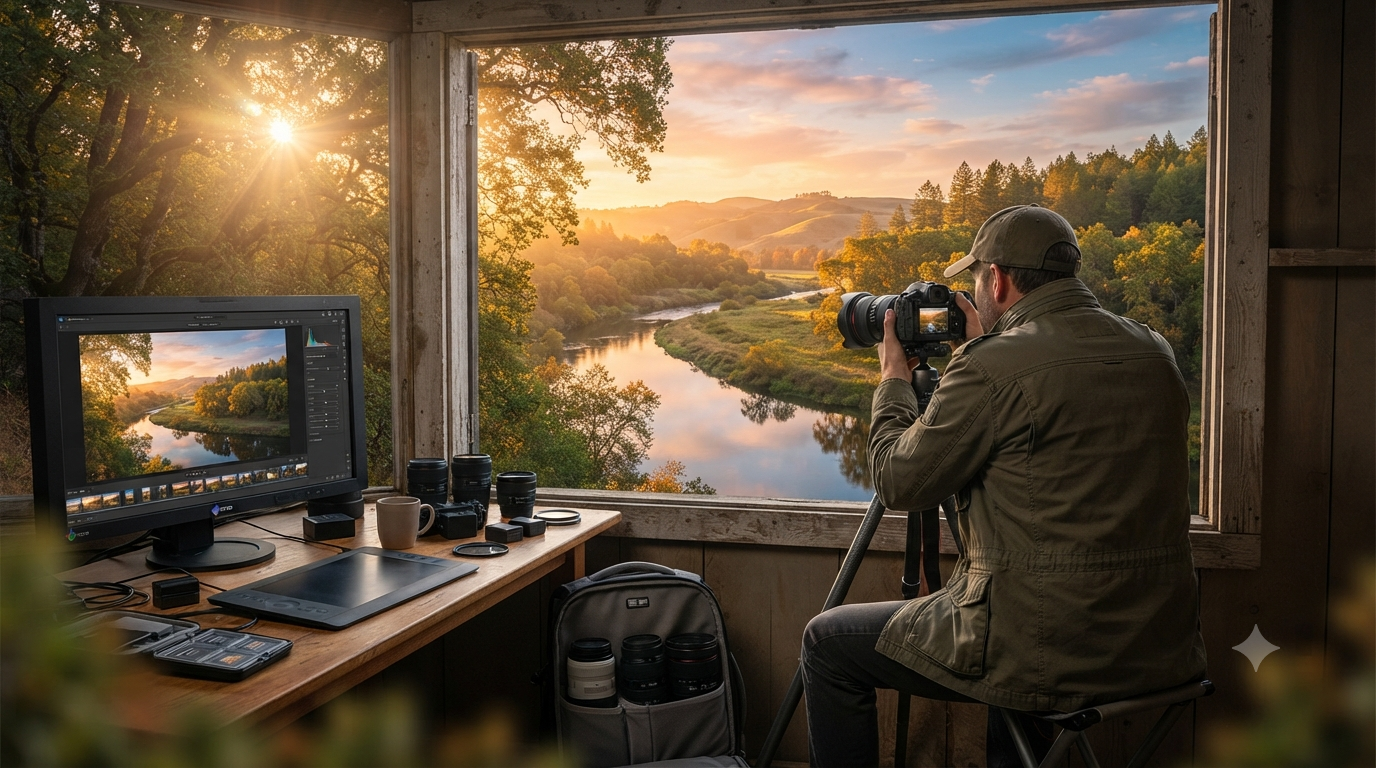
Photeeq Lens Flare: A Complete Guide to Creating Natural Light Effects in Photography and Editing
Introduction
Light has always been one of the most powerful tools in photography. Every memorable photograph depends on how light interacts with the camera, the subject, and the surrounding environment. Among the many visual effects photographers appreciate, lens flare stands out because it can instantly transform an ordinary image into one that feels warm, cinematic, emotional, and visually engaging.
If you have searched for Photeeq lens flare, you are likely interested in understanding how this effect works, why photographers use it, and how it can enhance photographs without making them appear artificial. Whether you are editing portraits, landscapes, travel photography, wedding photographs, or creative artwork, understanding lens flare allows you to add depth and atmosphere while maintaining a professional appearance.
Many beginners think lens flare is simply a colorful overlay placed on top of an image. In reality, successful lens flare editing involves much more than adding bright circles or streaks of light. It requires understanding lighting direction, exposure, color temperature, shadows, and visual balance.
This guide explains everything you need to know about Photeeq lens flare, including how it works, when to use it, when to avoid it, common mistakes, editing techniques, creative ideas, and practical tips for producing realistic results.
Understanding Lens Flare
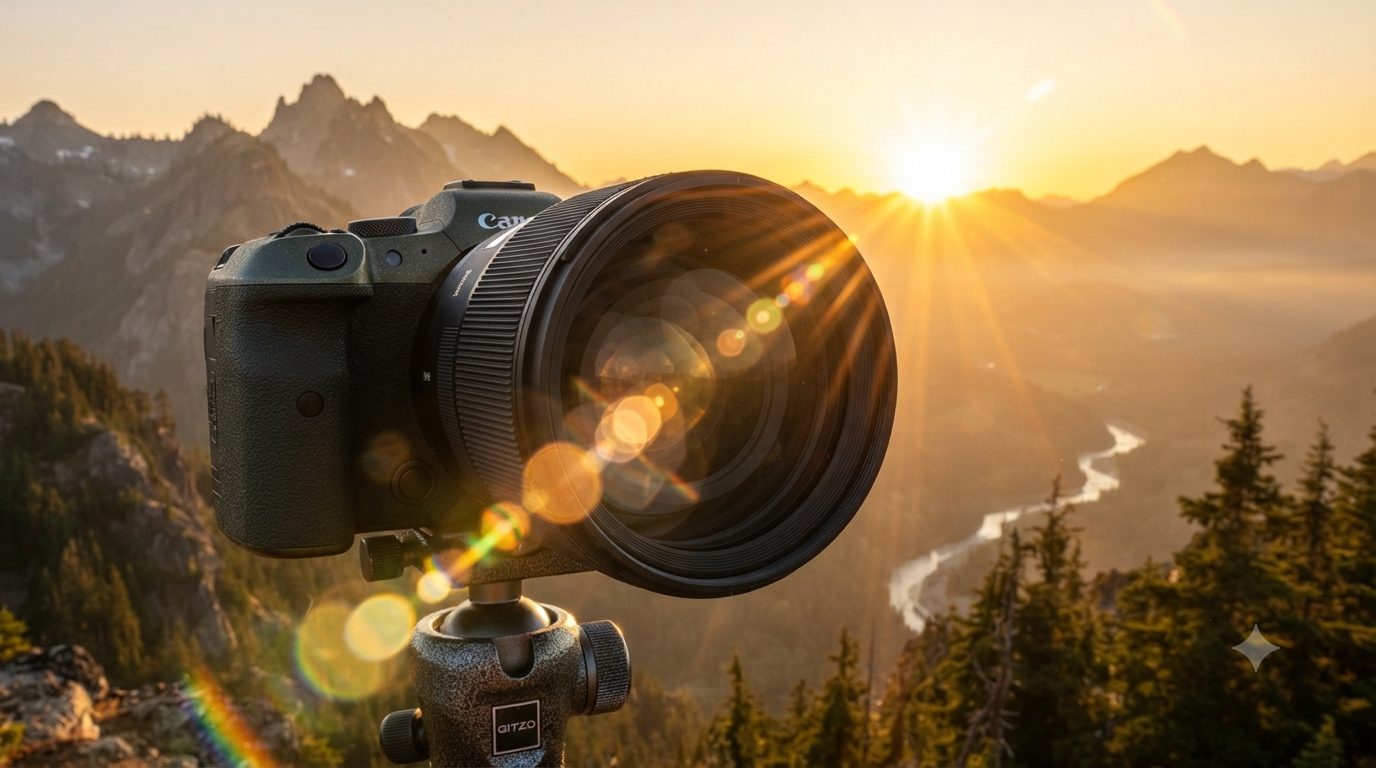
Lens flare occurs when intense light enters a camera lens and reflects internally before reaching the image sensor. Instead of traveling directly through the lens, some light bounces between lens elements, creating visible artifacts such as glowing circles, colorful streaks, soft haze, or bright highlights.
Although photographers once considered lens flare a technical flaw, modern photography has embraced it as a creative effect. Today, many photographers intentionally capture or recreate lens flare because it adds emotion, realism, and storytelling to an image.
Digital editing has also made it possible to reproduce these lighting characteristics with impressive realism. Carefully applied lens flare can simulate the feeling of shooting during sunrise, sunset, or golden hour without distracting from the subject.
What Is Photeeq Lens Flare?
The phrase Photeeq lens flare generally refers to lens flare effects associated with the Photeeq editing ecosystem and the broader editing style that emphasizes natural-looking lighting enhancements.
Instead of overwhelming a photograph with exaggerated effects, this approach focuses on creating believable light that blends naturally with the scene.
The goal is not to make viewers notice the editing first. Instead, they should feel that the photograph was captured under beautiful natural lighting.
A realistic lens flare should support the story of the image rather than dominate it.
Why Photographers Use Lens Flare
Photography is about emotion as much as technical perfection. Lens flare contributes to emotional storytelling by introducing warmth and atmosphere.
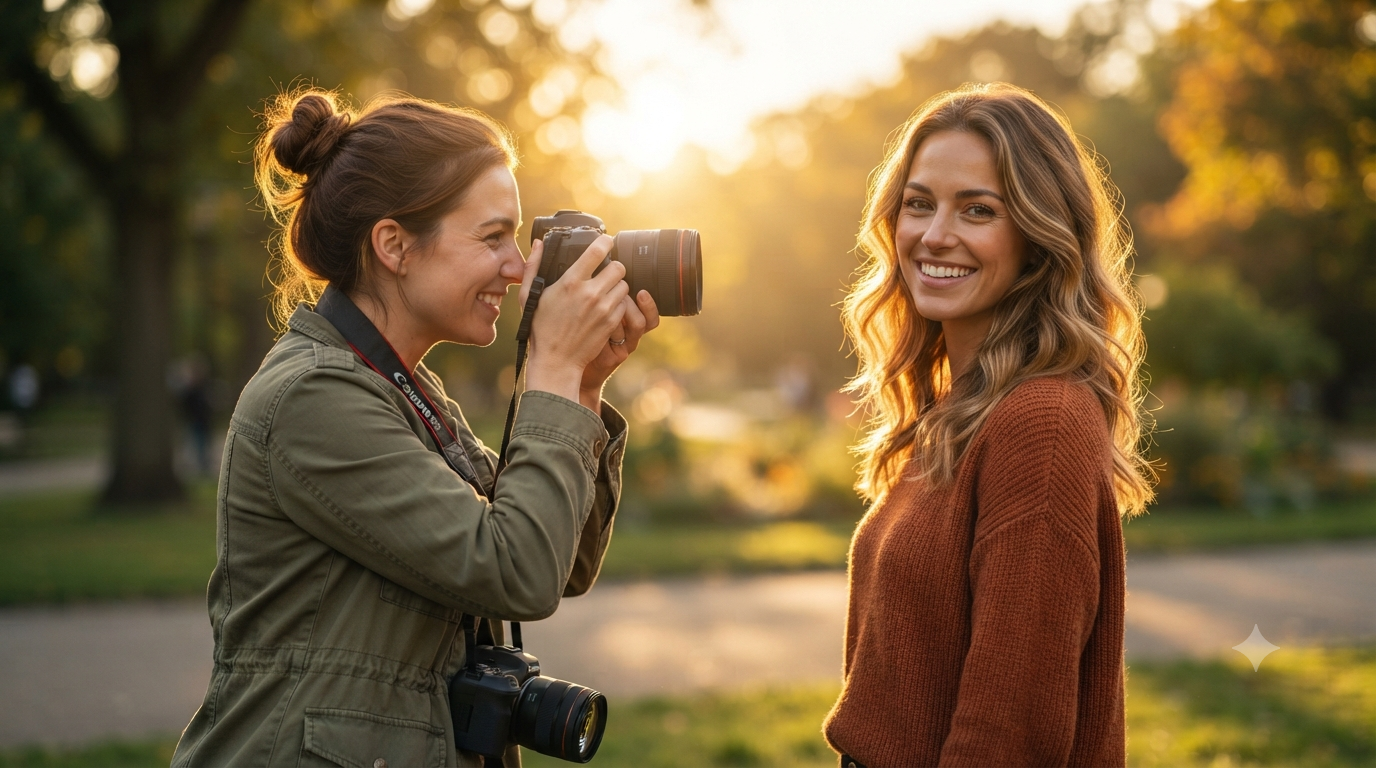
Portrait photographers often use subtle flare to soften skin tones and create a dreamy feeling.
Wedding photographers frequently incorporate flare to emphasize romance during outdoor ceremonies.
Landscape photographers use it to recreate the warmth of sunrise and sunset.
Travel photographers appreciate how lens flare enhances adventure and natural beauty.
Lifestyle photographers often rely on gentle flare to make everyday scenes feel more authentic and inviting.
When used correctly, the effect creates visual depth without distracting from the main subject.
The Psychology Behind Lens Flare
Humans naturally associate warm sunlight with positive emotions. Morning sunshine often represents hope and new beginnings, while evening sunlight creates feelings of calmness and nostalgia.
Lens flare reinforces these emotional connections.
A carefully positioned flare can make an ordinary portrait feel joyful.
A landscape becomes more peaceful.
A family photograph feels warmer.
A travel image becomes more adventurous.
These subtle emotional signals explain why lens flare remains popular across many photography styles.
Types of Lens Flare Effects
Not every flare looks the same. Different lighting situations create different visual appearances.
Soft haze creates a gentle glow across part of the image.
Circular flare appears as transparent colored circles extending away from the light source.
Starburst flare forms when sunlight shines through a narrow aperture.
Anamorphic flare creates long horizontal streaks commonly seen in cinematic productions.
Rainbow flare introduces subtle color variations that add artistic appeal.
Glow effects brighten surrounding areas while maintaining realistic contrast.
Choosing the appropriate style depends on the subject, lighting direction, and overall mood.
Natural Versus Artificial Lens Flare
Natural flare occurs while taking the photograph.
Artificial flare is added during editing.
Both approaches have advantages.
Natural flare captures authentic interactions between light and camera optics.
Artificial flare offers complete creative control.
Editors can adjust brightness, color, transparency, size, and position until the effect blends seamlessly into the photograph.
For professional editing, realism should always remain the primary objective.
When Lens Flare Works Best
Certain situations naturally benefit from lens flare.
Outdoor portraits during golden hour.
Beach photography.
Mountain landscapes.
Wedding ceremonies.
Forest paths.
Road trip photography.
Adventure photography.
Lifestyle sessions.
Sunrise and sunset images.
Nature photography.
These environments already contain strong directional lighting, making flare appear believable.
Situations Where Lens Flare Should Be Avoided
Not every photograph benefits from additional lighting effects.
Product photography demands accurate colors and maximum clarity.
Passport photographs require consistent lighting.
Corporate headshots usually prioritize professionalism over artistic effects.
Medical photography depends on precision.
Architectural documentation often needs distortion-free images.
Real estate photography generally emphasizes clean interiors rather than dramatic lighting.
Understanding when not to use lens flare is just as important as knowing when to apply it.
Creating Realistic Lens Flare
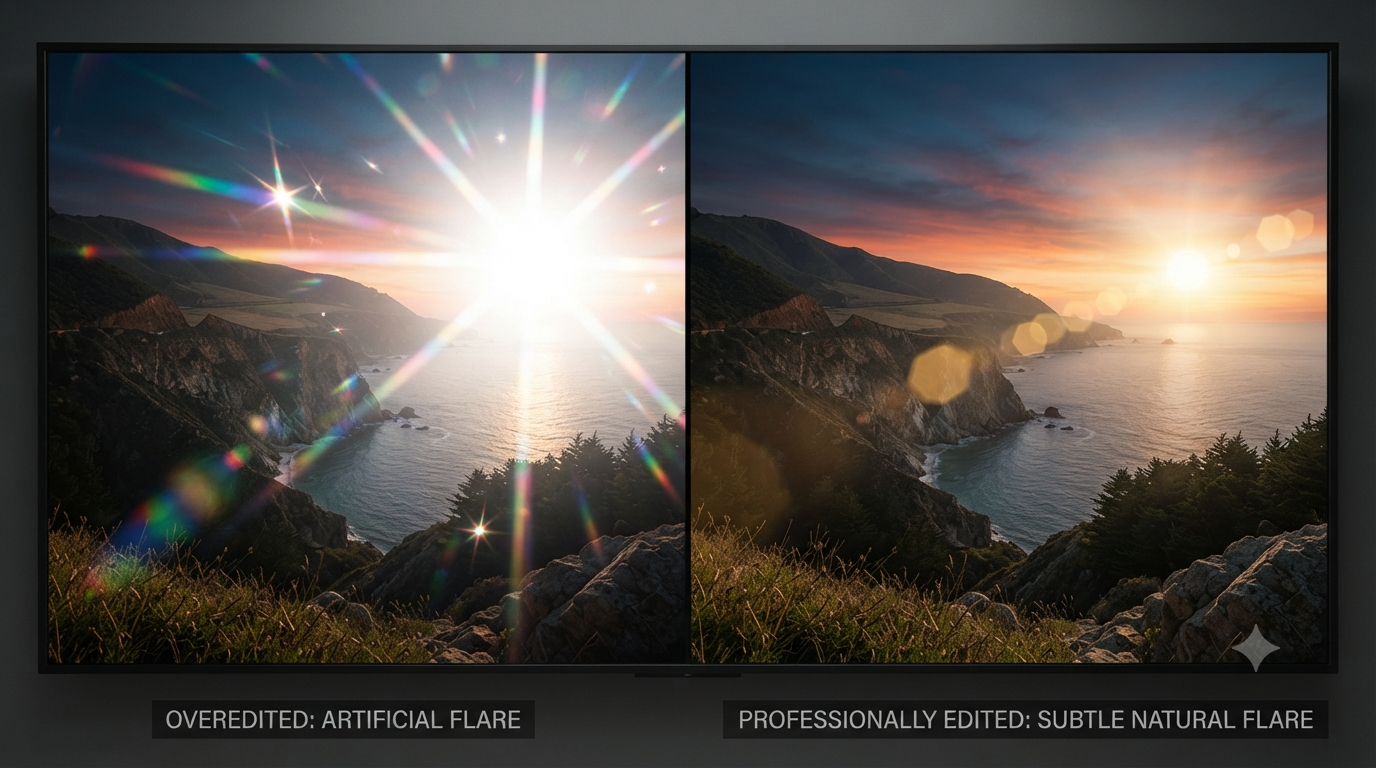
Professional editing focuses on subtlety.
The light source should always make sense.
If sunlight appears on the right side of the image, the flare should originate from that direction.
Brightness should gradually fade into surrounding areas.
Edges should remain soft.
Opacity should remain relatively low.
Color should complement the existing lighting.
The effect should never obscure the main subject.
Realistic editing often involves making adjustments so subtle that viewers never recognize the effect has been added.
Matching Color Temperature
Color temperature significantly affects realism.
Warm afternoon sunlight produces golden flare.
Early morning creates soft yellow tones.
Cloudy weather often requires neutral lighting.
Winter sunlight may produce cooler highlights.
Matching flare color with the environment ensures consistency throughout the image.
Even beautiful flare can appear unrealistic if the color temperature conflicts with the scene.
Lens Flare in Portrait Photography
Portrait photography benefits greatly from controlled flare.
A soft glow around hair creates attractive rim lighting.
Warm highlights improve skin tone.
Background lighting appears richer.
Facial expressions become more engaging.
The photographer should preserve detail in the eyes because viewers naturally focus there.
Overexposed flare covering the face usually reduces image quality.
Lens Flare in Landscape Photography
Landscape images often contain natural sunlight, making them excellent candidates for flare.
Mountain peaks illuminated by sunrise become more dramatic.
Ocean reflections appear warmer.
Forests gain additional atmosphere.
Desert scenes feel brighter.
Rural landscapes become more inviting.
Balance remains essential.
Too much flare can hide landscape details that viewers want to explore.
Wedding Photography and Lens Flare
Wedding photographers frequently incorporate flare because weddings naturally involve emotional storytelling.
Sunlight behind the couple creates romantic silhouettes.
Golden-hour portraits appear timeless.
Ceremony photographs feel softer.
Reception photographs gain visual warmth.
When editing wedding images, maintaining natural skin tones remains a priority.
Common Editing Mistakes
Many beginners repeat the same errors.
Applying flare without a visible light source.
Using excessive brightness.
Adding multiple flare effects simultaneously.
Ignoring image shadows.
Using incorrect color temperature.
Covering the subject’s face.
Adding perfectly symmetrical flare.
Increasing opacity too much.
Professional editors avoid these mistakes by studying real sunlight before editing.
Improving Composition with Lens Flare
Lens flare should complement composition rather than replace it.
The subject should remain the strongest visual element.
Leading lines should still guide viewers toward the focal point.
The rule of thirds continues to apply.
Negative space helps balance bright lighting effects.
Successful editing enhances composition instead of competing with it.
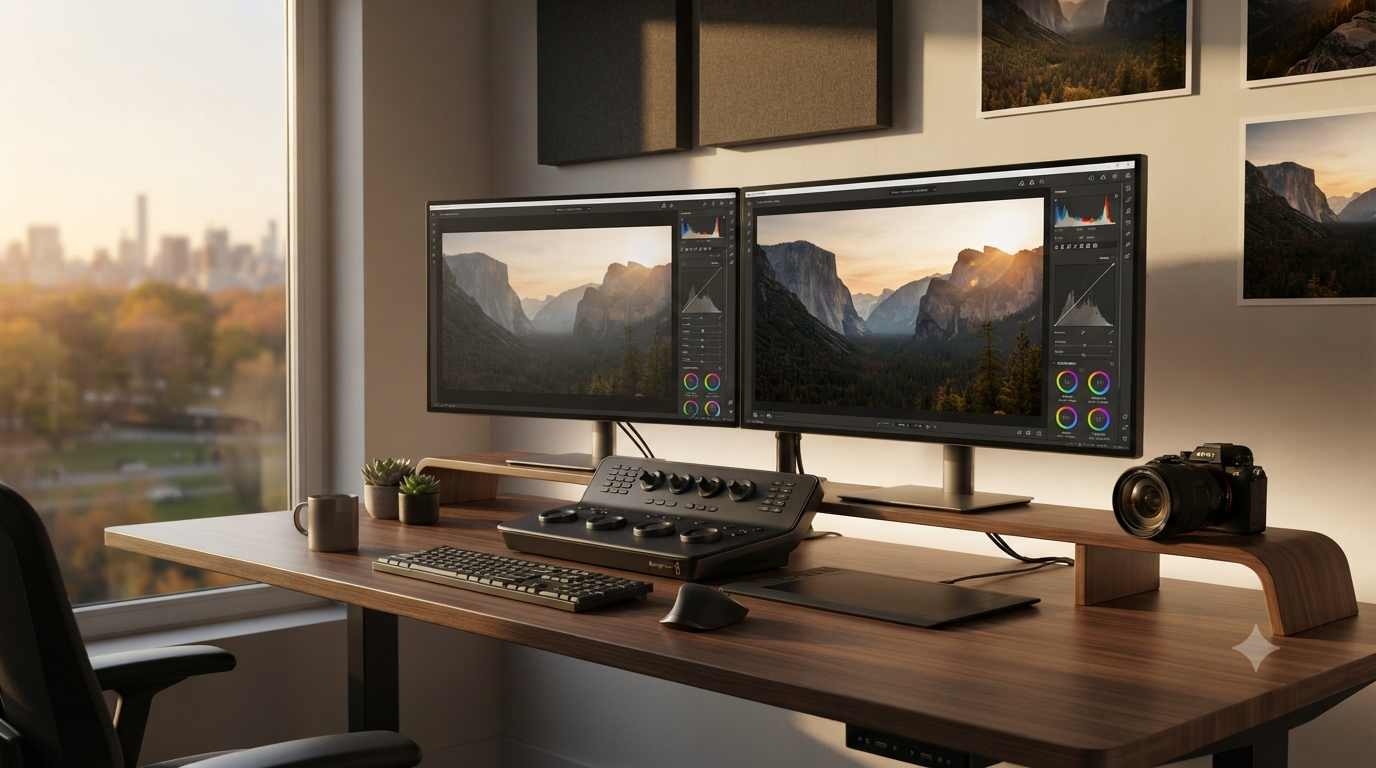
Editing Workflow
Professional editors often follow a logical sequence.
Exposure adjustments come first.
Contrast follows.
White balance is corrected.
Shadows and highlights receive attention.
Color grading establishes mood.
Lens flare is added afterward.
Final sharpening completes the image.
Following this order prevents flare from interfering with earlier adjustments.
Maintaining Realism
Realistic flare rarely appears perfectly clean.
Natural light interacts with dust, atmosphere, humidity, and lens coatings.
Slight imperfections actually increase authenticity.
Professional editing often introduces tiny variations instead of perfectly uniform effects.
Viewers subconsciously recognize these details.
Lens Flare for Social Media
Modern social media platforms reward visually engaging images.
Subtle flare can make photographs stand out while maintaining authenticity.
Lifestyle creators often combine warm lighting with balanced color grading to produce consistent visual branding.
However, consistency matters more than dramatic editing.
A recognizable editing style helps establish a memorable visual identity.
Future Trends
Photography continues evolving alongside editing software.
Artificial intelligence assists photographers with lighting suggestions.
Real-time editing becomes increasingly accessible.
High-resolution sensors capture more detailed lighting information.
Despite technological advances, artistic judgment remains irreplaceable.
Understanding how real light behaves will always produce better results than relying solely on automated tools.
Final Thoughts
Photeeq lens flare represents more than a decorative editing effect. It reflects an approach that values natural lighting, visual storytelling, and subtle enhancement rather than excessive manipulation.
The most successful photographers understand that every editing decision should support the subject and strengthen the emotional impact of the image. Lens flare should never become the center of attention. Instead, it should quietly guide the viewer’s eye, reinforce the mood, and create the impression that the photograph was captured under beautiful natural light.
Whether you are editing portraits, landscapes, weddings, travel photography, or creative artwork, learning to use lens flare thoughtfully can elevate your images from technically good to emotionally memorable. Practice with restraint, observe how sunlight behaves in the real world, and focus on realism over exaggeration. Over time, your edits will develop a polished, professional quality that feels authentic rather than artificial.
Frequently Asked Questions
What is Photeeq lens flare?
Photeeq lens flare refers to a style of lens flare editing that emphasizes realistic, natural-looking light effects designed to enhance photographs without overpowering the subject.
Is lens flare good or bad?
Neither. It depends on the purpose of the photograph. Creative photography often benefits from subtle lens flare, while technical or commercial photography may require maximum image clarity.
Can beginners use lens flare effectively?
Yes. The key is starting with subtle adjustments and ensuring the light source matches the direction and intensity of the flare.
Which photography genres benefit most from lens flare?
Portrait, wedding, travel, landscape, lifestyle, and outdoor photography often benefit from carefully applied lens flare because these genres naturally involve directional sunlight.
How can I make lens flare look realistic?
Match the light direction, maintain consistent color temperature, keep opacity low, avoid covering the subject, and blend the effect naturally into the existing lighting.
Does lens flare reduce image quality?
Excessive flare can hide important details and reduce contrast. When applied carefully, however, it enhances the overall atmosphere while preserving image quality.
Should every outdoor photograph include lens flare?
No. Lens flare should only be used when it strengthens the mood and supports the composition. Adding it to every image can make a portfolio look repetitive.
Can lens flare improve storytelling?
Yes. Because people naturally associate warm sunlight with comfort, optimism, nostalgia, and adventure, subtle lens flare can reinforce the emotional message of a photograph without distracting from the main subject.
For More Visits: NewsPresso
Also Read: Kerala Lottery Guessing Number Ultimate Smart Guide 2025